

Kids learn through movement. Running, jumping, catching, throwing, balancing and changing direction all give children opportunities to explore how their bodies move and respond to the world around ...
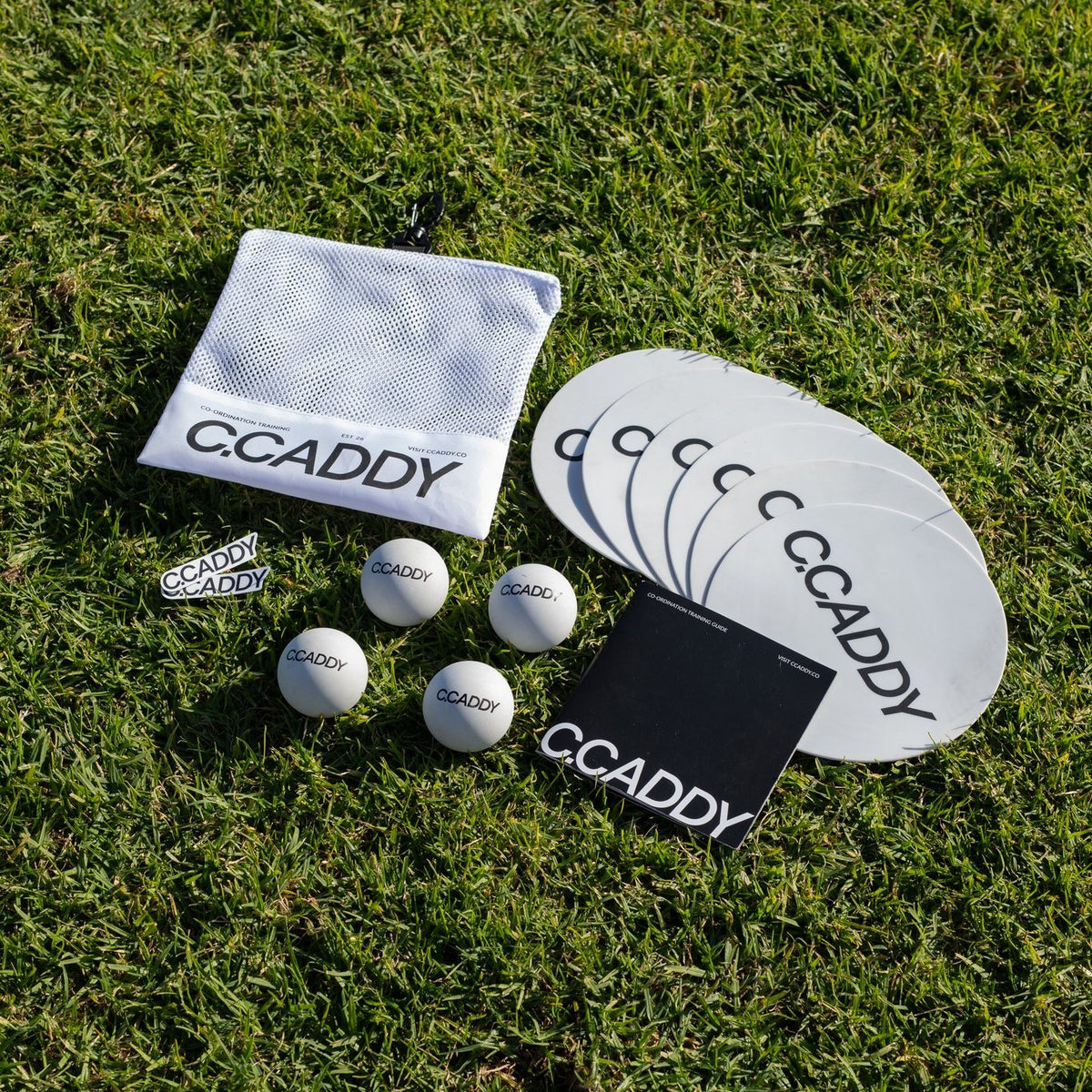
Every sport places different demands on the body. A soccer player needs to control a ball with their feet while scanning the field. An AFL player may need to track a ball, react to an opponent and ...
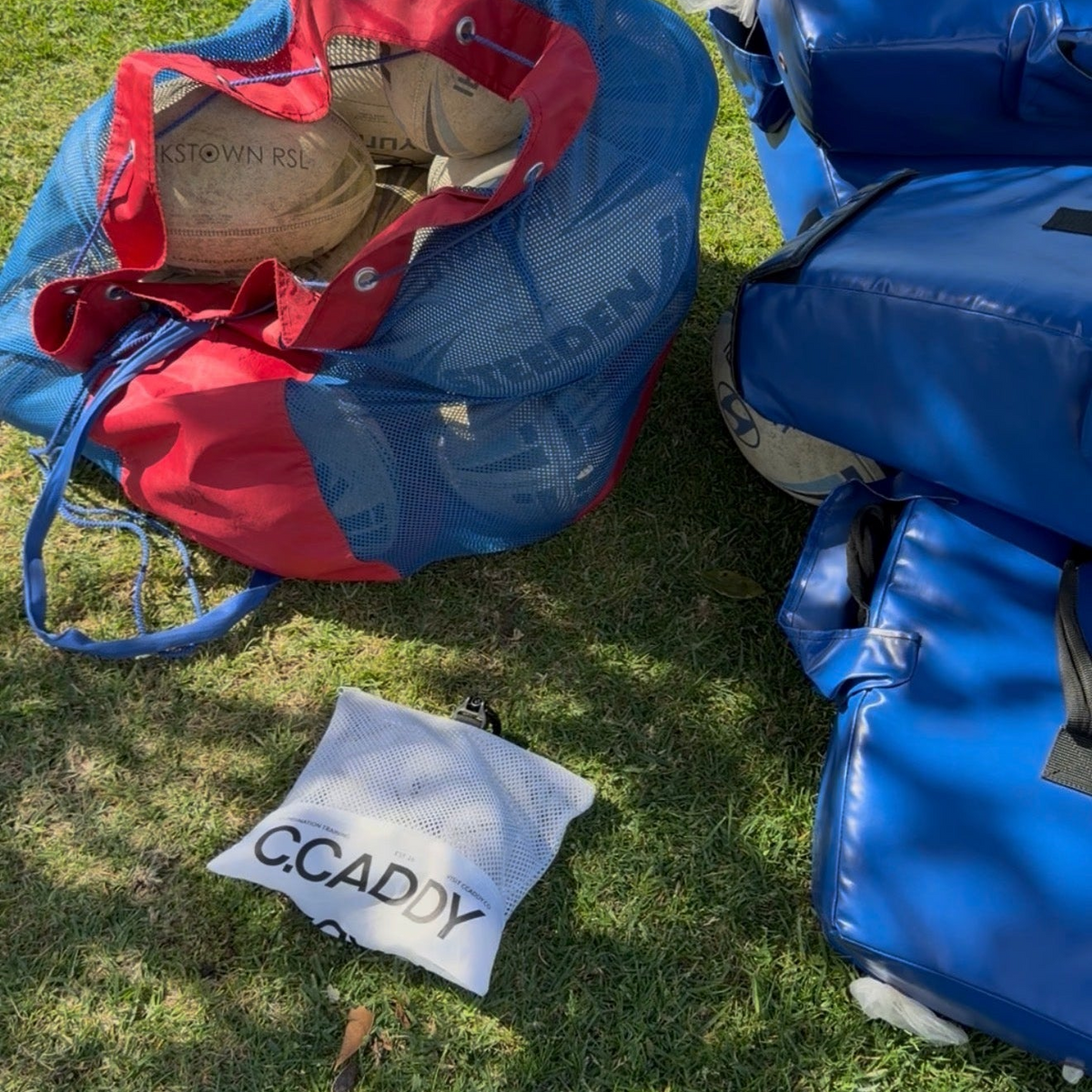
Co-ordination training is an important part of developing well-rounded athletes. Whether you're coaching a junior team, running a high-performance program or working with athletes individually, co-...
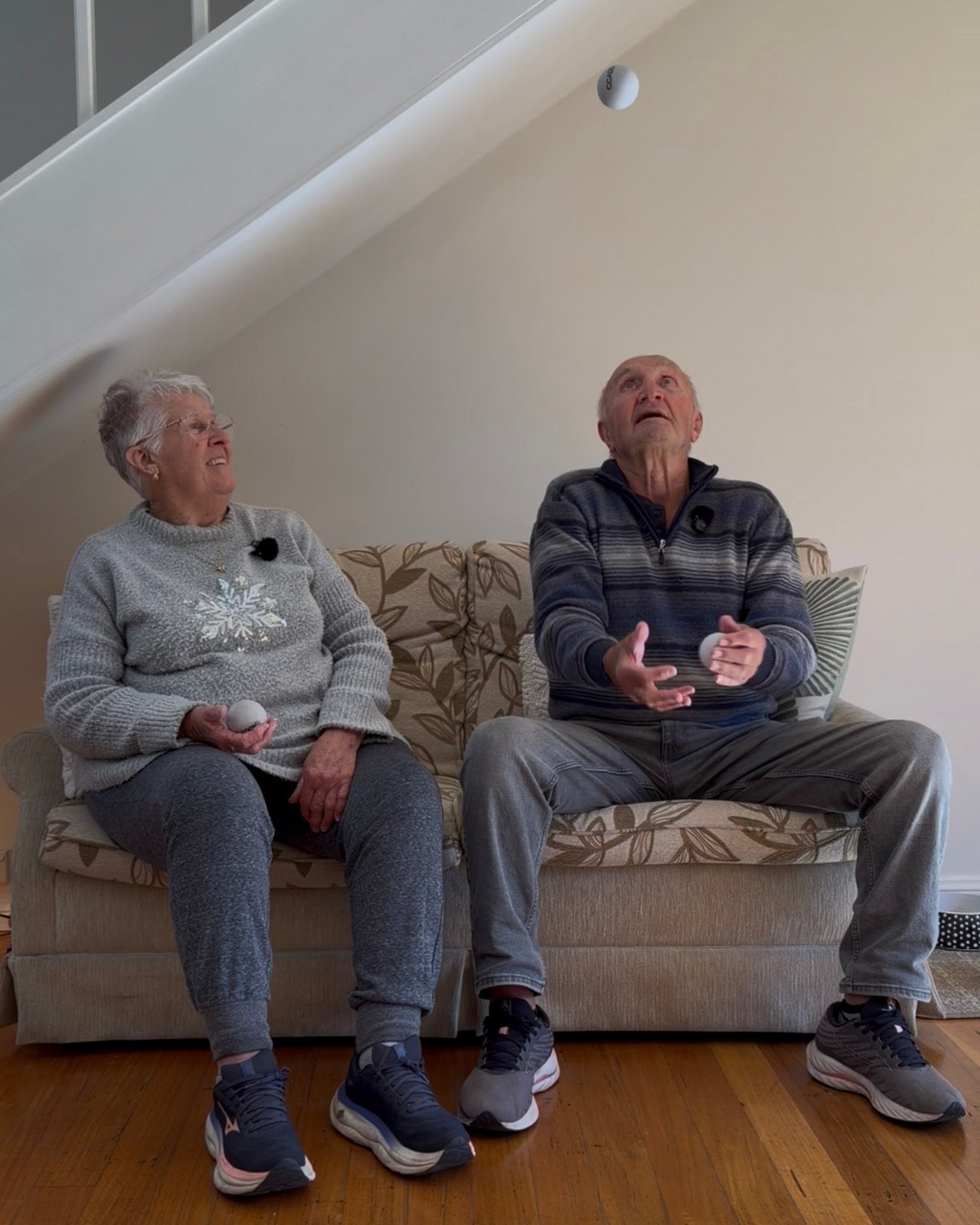
If you've ever tried to catch something unexpectedly thrown towards you, juggle multiple balls or learn a new ball skill, you'll know how quickly a seemingly simple movement can become a challenge....
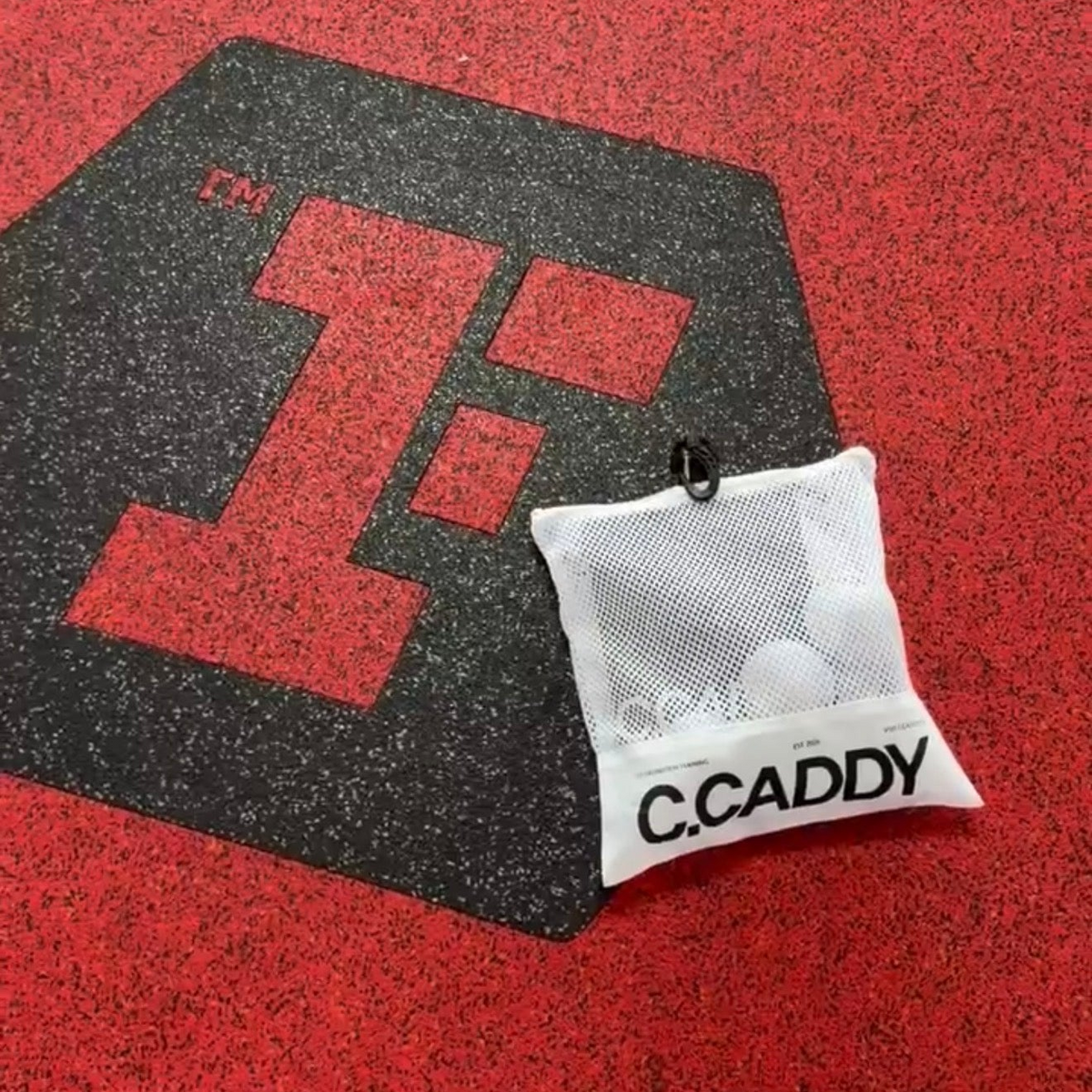
Reaction training doesn't have to mean complicated technology, expensive equipment or a specialised training facility. Some of the best reaction training equipment can be surprisingly simple. The p...

AFL is a fast-moving sport that asks players to constantly process information and respond. The ball can come from almost any direction, while teammates, opponents and space are constantly changing...

You've learnt the drill. The ball isn't hitting the floor every second repetition anymore. The movement that originally required your complete concentration now feels almost automatic. So what next...

Training gear doesn’t always have to be serious. Sometimes the pieces you reach for most are the ones that simply feel good, look good and fit easily into whatever you have planned for the day. Whe...

Strength. Speed. Conditioning. Skills. Athletes can have a lot to fit into a training week. But there's another part of movement that can sometimes receive less direct attention: co-ordination. Han...