
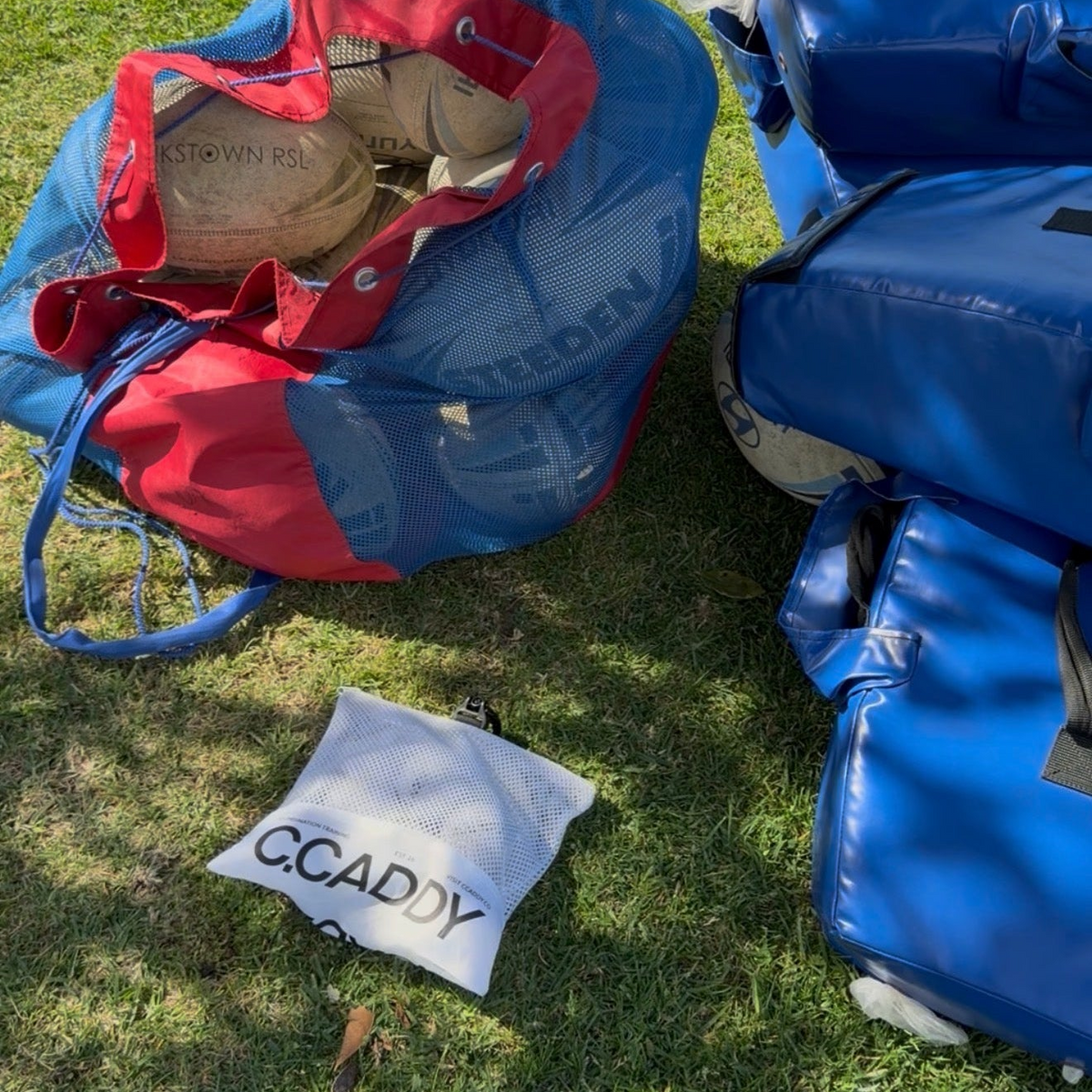
Co-ordination Training for Coaches & Teams
Co-ordination training is an important part of developing well-rounded athletes. Whether you're coaching a junior team, running a high-performance program or working with athletes individually, co-ordination drills can help athletes practise how they control, react and respond to movement.

It doesn't need to be complicated. With the right drills, coaches can add co-ordination training to warm-ups, skills sessions, conditioning blocks or dedicated training sessions.
What Is Co-ordination Training?
Co-ordination training involves practising the ability to control different parts of the body and respond effectively to movement, visual cues, timing and changes in direction.
In sport, athletes rarely perform movements in isolation. They may need to watch an opponent, react to a ball, change direction, maintain balance and execute a skill at the same time.
Co-ordination drills can help create these situations in a controlled training environment.
Training can focus on areas such as:
-
Hand-eye co-ordination
-
Foot-eye co-ordination
-
Reaction time
-
Balance and body control
-
Timing
-
Spatial awareness
-
Movement control
-
Speed of response
-
Bilateral movement
-
Partner reactions
Why Is Co-ordination Important for Athletes?
Good co-ordination provides a foundation for many sporting movements. An athlete might need to catch while moving, react to a teammate's call, control a ball under pressure or change direction after receiving a visual cue.
Co-ordination training gives coaches a way to practise these movement demands outside of traditional skill drills. It can also add variety to training sessions and challenge athletes to think and move at the same time.
Co-ordination Drills for Teams
One of the advantages of co-ordination training is that many drills can be adapted for individuals, pairs or groups.
Partner Reaction Drills
Partner drills can introduce an unpredictable element to training.
For example, one athlete can act as the caller while another responds to a movement, ball or visual cue. Coaches can change the direction, speed or type of response to increase the challenge.
Ball Drop & Catch Drills
A simple ball drop can become a reaction and co-ordination challenge. A coach or partner drops a ball unexpectedly and the athlete reacts to catch it before it reaches the ground.
Progressions can include:
-
Increasing the distance
-
Using different starting positions
-
Adding movement
-
Using multiple balls
-
Introducing a verbal or visual cue
Marker Movement Drills
Training markers can be used to create movement patterns and targets. Athletes can move between markers while responding to instructions, colours, numbers, sounds or a moving ball. These drills can combine footwork, reaction, balance and body control.
Dual-Task Co-ordination Drills
To make a drill more challenging, combine movement with another task.
For example, an athlete could perform a movement pattern while catching a ball or responding to a coach's call.
This encourages athletes to process information while controlling their movement.
How Coaches Can Add Co-ordination Training to a Session
Co-ordination training doesn't necessarily need its own dedicated session.
It can be incorporated throughout a normal training program.
Warm-Up
Use simple reaction, movement and ball drills to get athletes moving and thinking.
Skill Development
Add co-ordination challenges to existing sport-specific skills.
Conditioning
Use co-ordination drills between conditioning exercises to introduce a different movement stimulus.
Small-Sided Games
Add rules or cues that require athletes to react, move or make decisions differently.
Cool-Down or Finisher
Finish a session with a short partner or team-based co-ordination challenge.
How to Progress Co-ordination Drills
Once an athlete becomes comfortable with a drill, increase the challenge rather than simply repeating the same movement.
You could:
Increase speed
Ask athletes to complete the movement faster.
Add unpredictability
Use a partner or coach to introduce an unexpected stimulus.
Add movement
Ask athletes to move while completing the task.
Change the starting position
Try standing, sitting, kneeling, lying or moving starts.
Use multiple stimuli
Introduce two balls, multiple markers or different cues.
Add decision-making
Require athletes to respond differently depending on what they see or hear.
The goal isn't simply to make a drill harder. The goal is to create a meaningful movement challenge.

Co-ordination Training for Different Sports
Co-ordination is relevant across almost every sport, but the way it is trained can be adapted to the demands of the athlete.
For example:
-
AFL: catching, reacting, changing direction and controlling the body while moving.
-
NRL: passing, catching, reaction and movement under pressure.
-
Soccer: foot-eye co-ordination, ball control, movement and reaction.
-
Basketball: catching, passing, footwork and reacting to opponents.
-
Tennis: tracking, timing, balance and reacting to a moving ball.
-
Boxing: reaction, hand-eye co-ordination, footwork and body control.
-
CrossFit: movement control, timing and coordination under changing movement demands.
This is why co-ordination training can complement sport-specific training rather than replace it.
Make Co-ordination Training Part of Your Team
Co-ordination training can be simple, adaptable and easy to incorporate into existing sessions.

For coaches, the biggest opportunity is to create drills that encourage athletes to move, react, think and respond rather than simply repeating predictable movements.
C.CADDY was designed to make this type of training easy to introduce at the oval, court, field, gym or training facility.
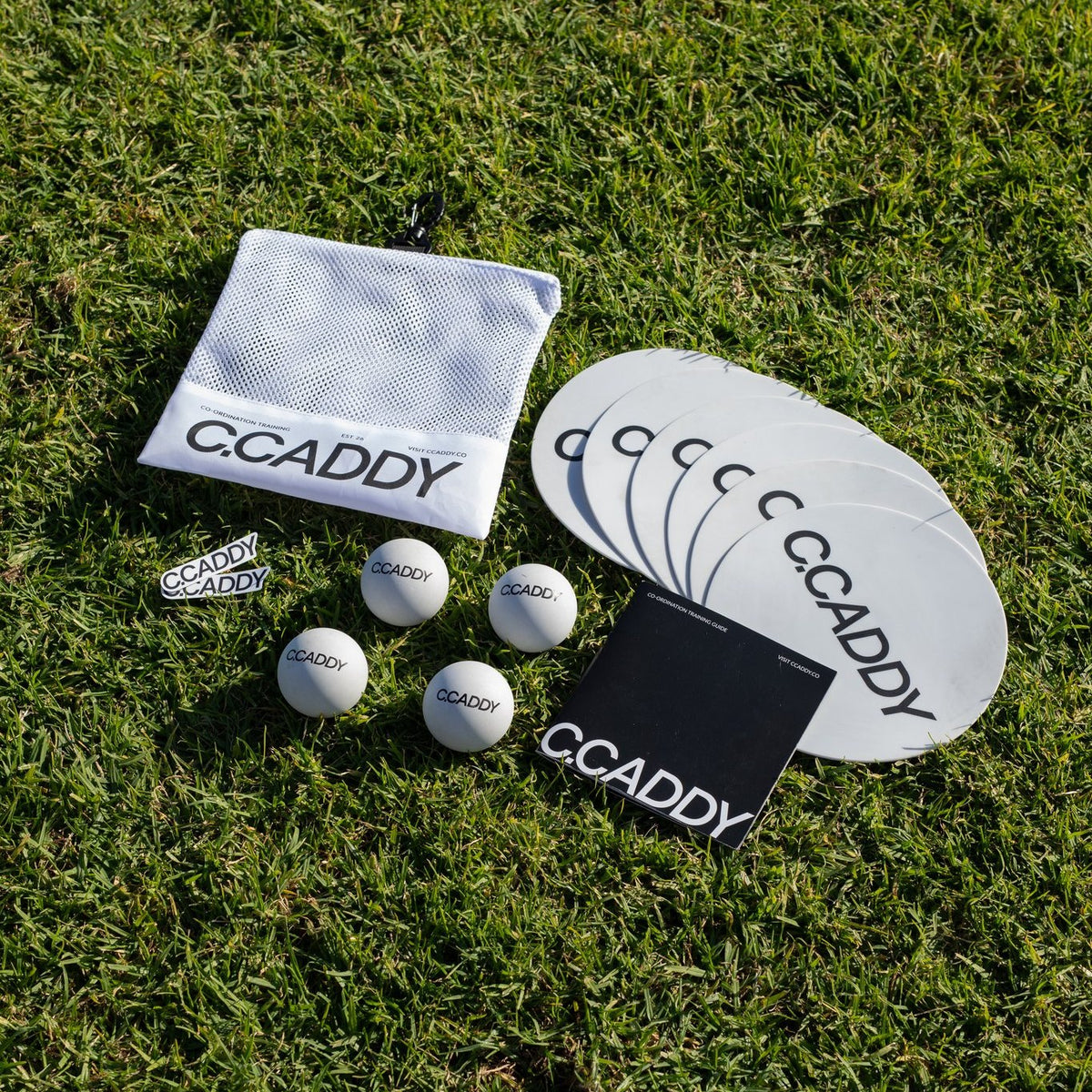
The C.CADDY Co-ordination Kit combines balls, training markers and guided drills in one portable kit, with access to the C.CADDY Training Vault for additional training ideas.
Looking for more ways to train co-ordination? Explore C.CADDY's co-ordination drills, sport-specific training ideas and training resources.
Read more
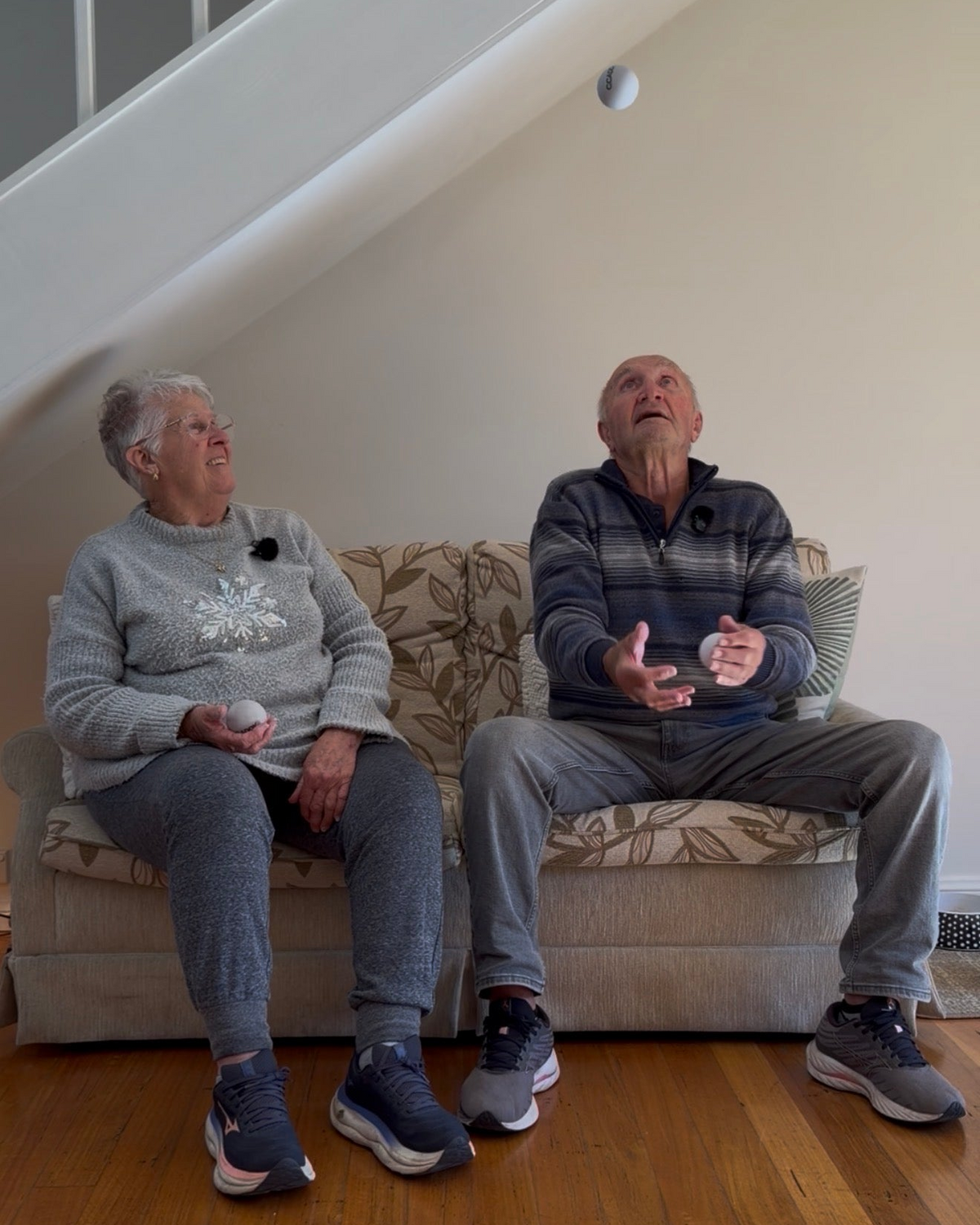
If you've ever tried to catch something unexpectedly thrown towards you, juggle multiple balls or learn a new ball skill, you'll know how quickly a seemingly simple movement can become a challenge....
Every sport places different demands on the body. A soccer player needs to control a ball with their feet while scanning the field. An AFL player may need to track a ball, react to an opponent and ...