
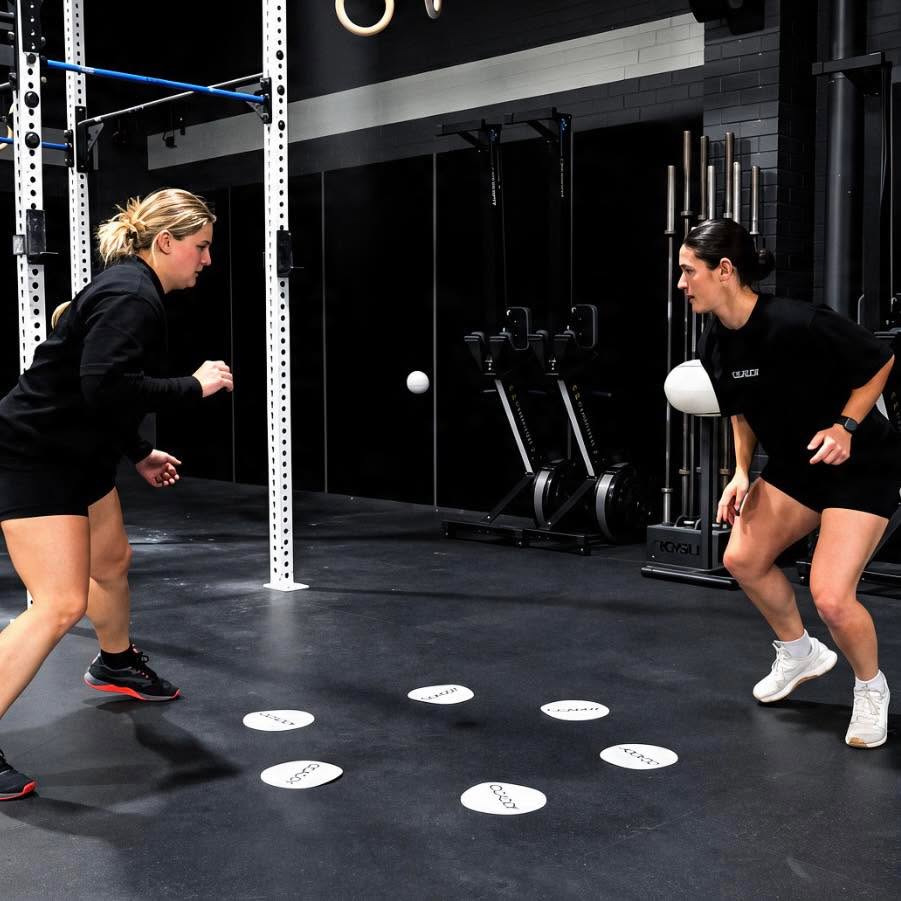
Co-ordination Training
Co-ordination training is all about teaching your body to work together with better timing, control, balance and reaction. From catching and throwing a ball to moving your feet, reacting to a partner or responding to an unexpected change, co-ordination is involved in more movement than you might realise.
What Is Co-ordination Training?
Co-ordination training involves exercises and activities that challenge your ability to control and combine different movements.
It can involve your hands, feet, eyes, body position and reaction to different cues. A simple ball catch, for example, can require you to track the ball visually, judge its movement, position your body and time your hands to make the catch. As exercises become more challenging, you can introduce changes in speed, direction, movement, distance, timing or unexpected cues.
That's where co-ordination training becomes more than simply repeating a movement. It becomes a way to challenge how you see, react, move and control your body. Co-ordination training can include:
- Hand-eye co-ordination
- Foot-eye co-ordination
- Ball skills
- Reaction drills
- Balance exercises
- Movement and footwork
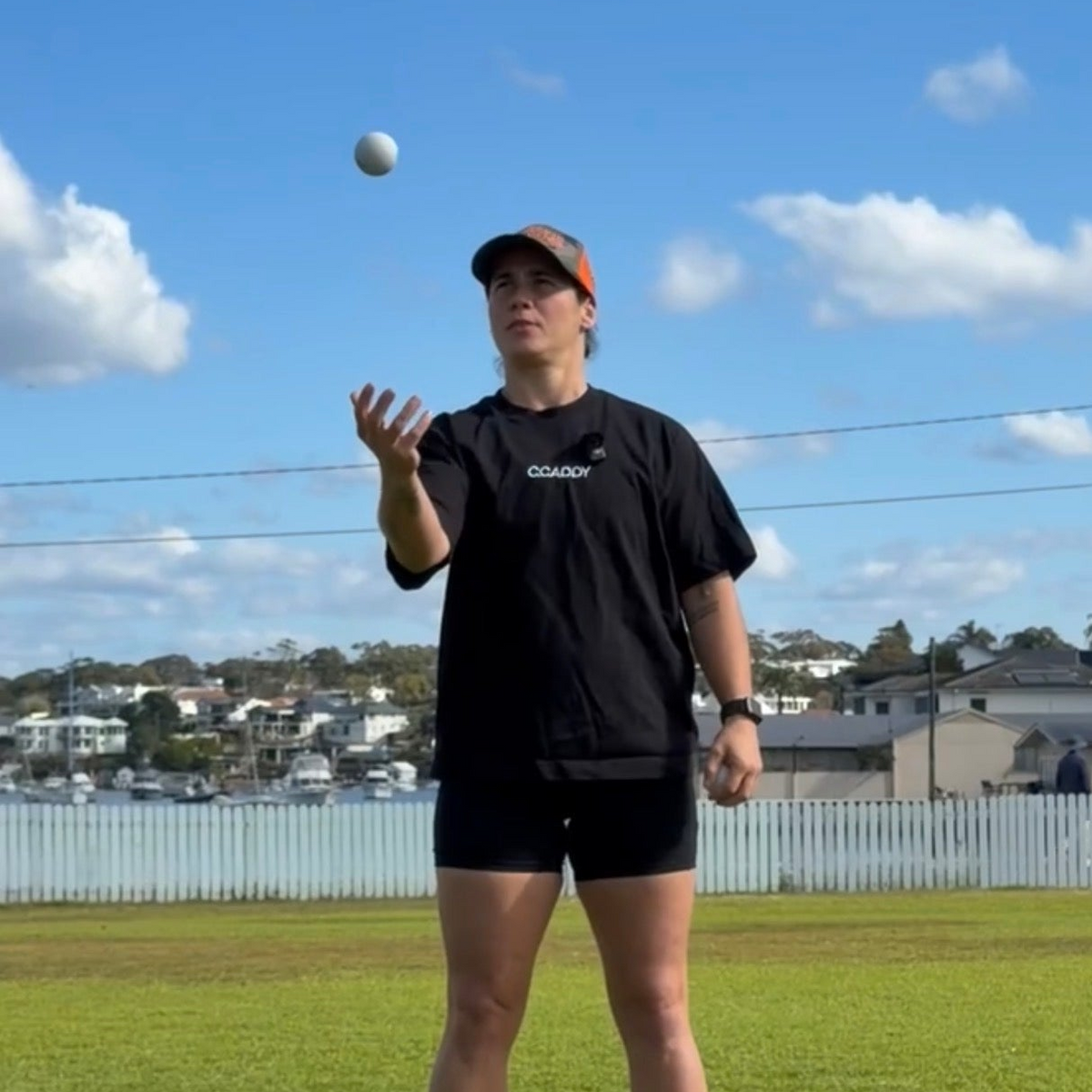
- Catching and throwing
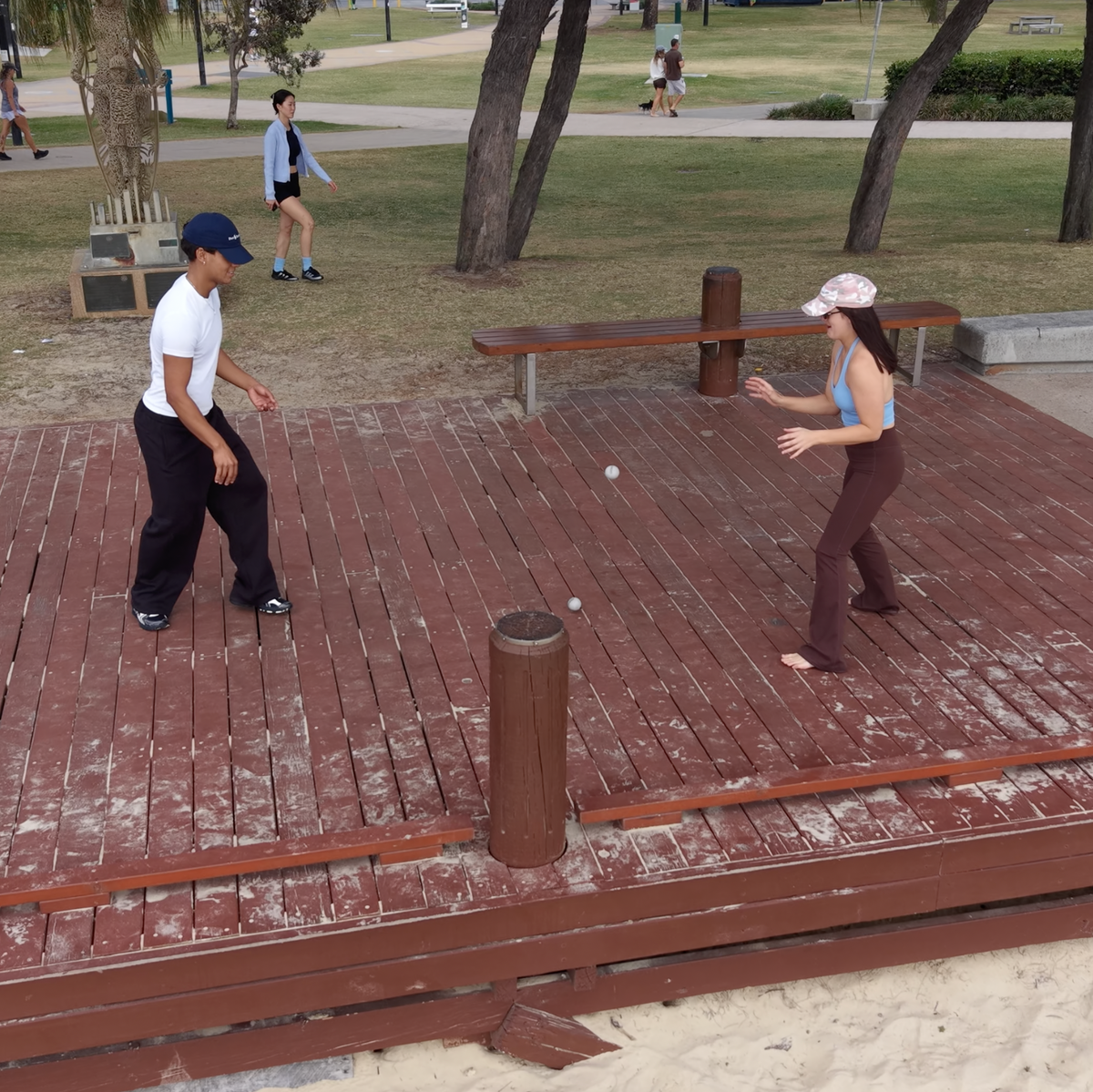
- Partner drills
- Multi-task movement
- Speed and timing challenges
- Visual reaction exercises
- Sport-specific movement drills
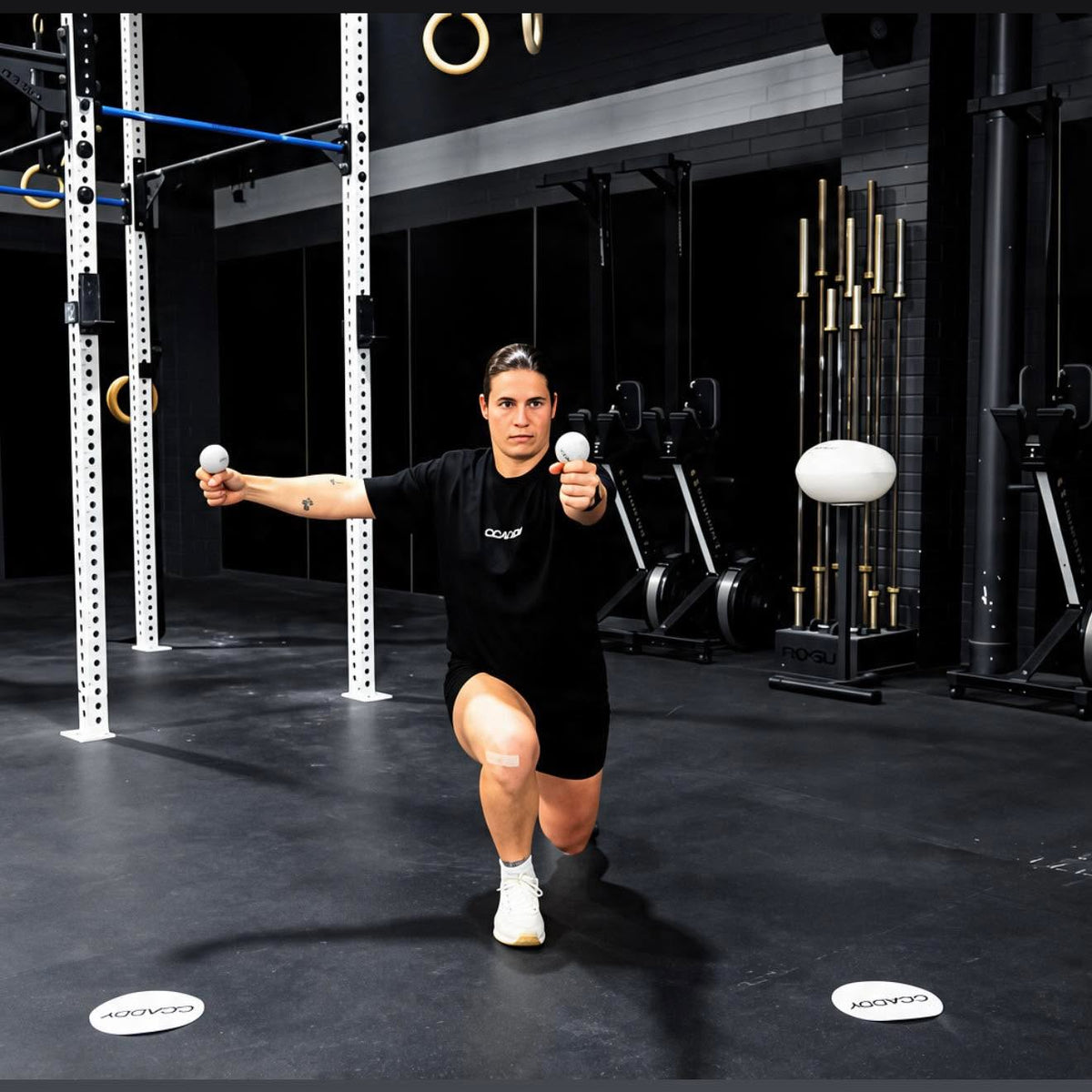
Why Is Co-ordination Training Important?
Co-ordination is part of everyday movement as well as sport and exercise.
Good movement requires different parts of the body to work together at the right time. Training these skills can give you more opportunities to practise movement patterns that involve timing, control, reaction and body awareness.
For athletes, co-ordination training can be incorporated into existing training as an additional challenge. For everyday movers, it can simply be a fun way to move, play and challenge yourself.
The best part? It doesn't need to be complicated.
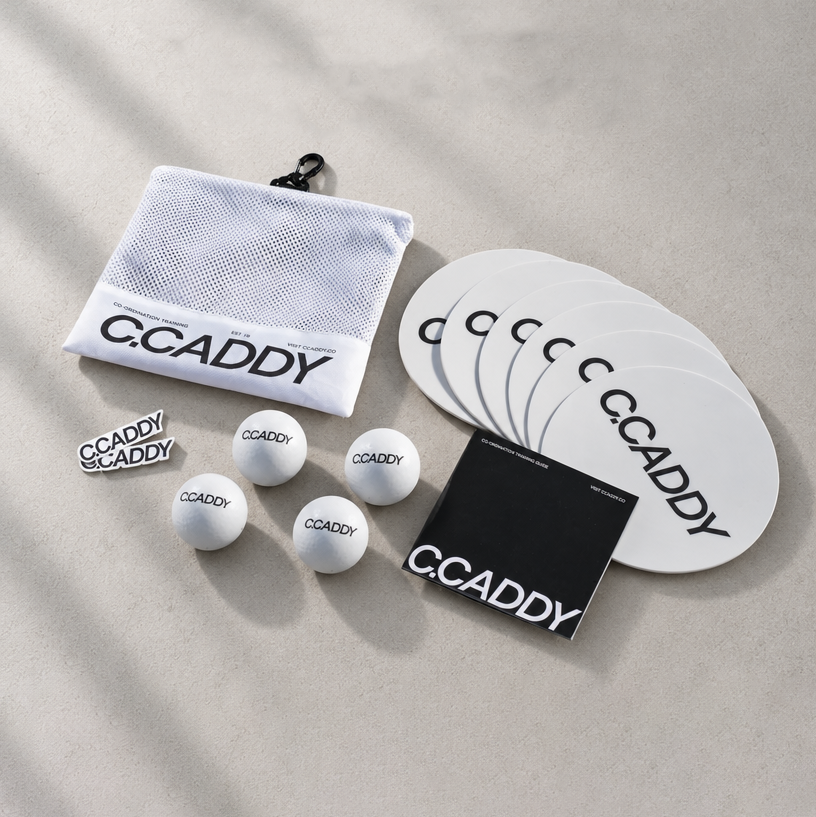
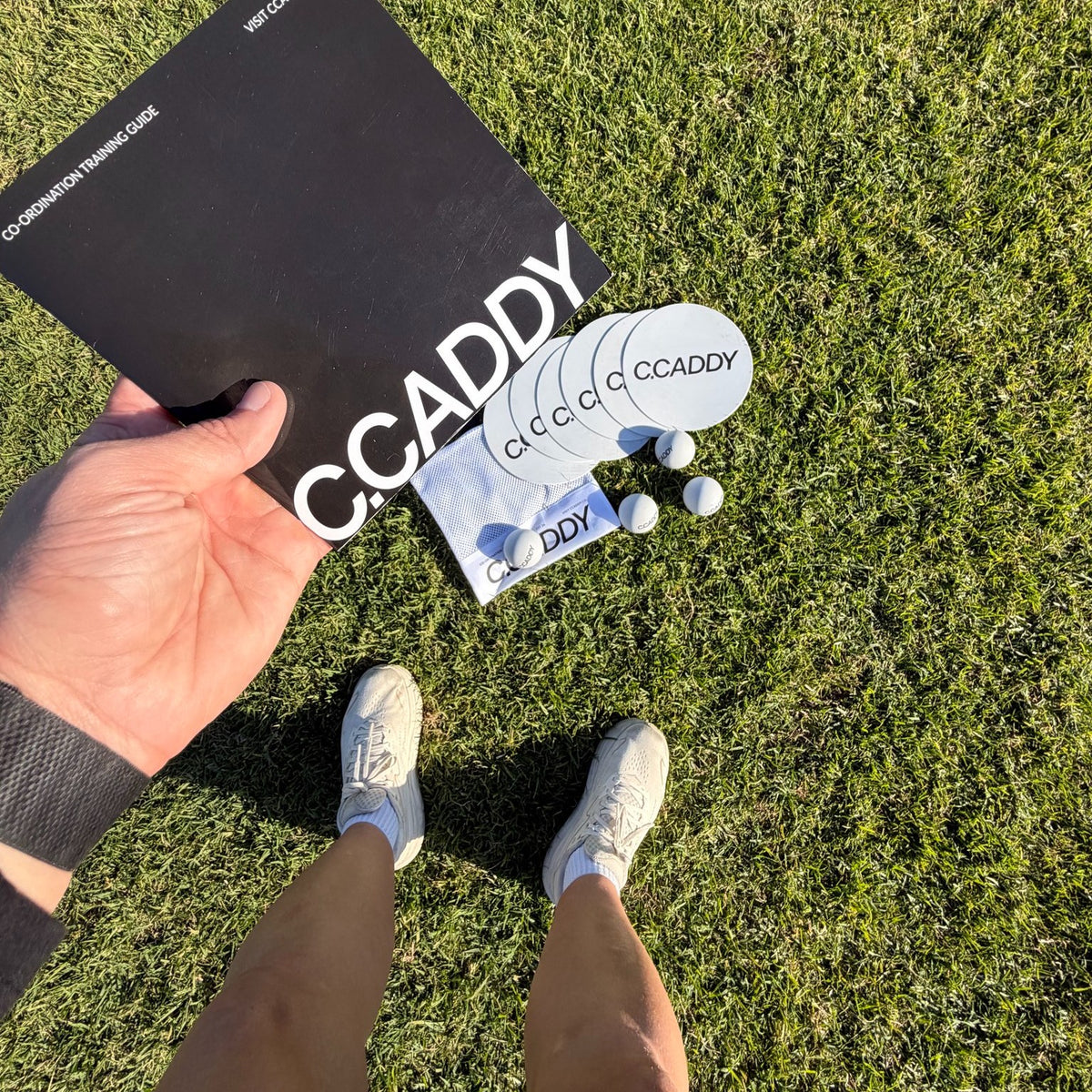
A ball, a few markers and a partner can create hundreds of different ways to challenge your movement.
What Does Co-ordination Training Involve?
Co-ordination isn't just one skill. It can involve several elements working together.
Hand-eye co-ordination involves using your vision to guide your hand movements. Catching, throwing, bouncing and reacting to a moving ball are simple examples.
Reaction training introduces a stimulus that requires you to respond.
That stimulus could be a ball, sound, visual cue, partner or change in direction.
Balance plays an important role in controlled movement. Adding a balance challenge to a simple co-ordination exercise can change the difficulty and require greater body control.
Timing is the ability to perform a movement at the right moment.
Catching a ball, changing direction or responding to a partner can all require you to judge when to move.
Co-ordination training can challenge your ability to control different parts of your body while performing a movement or responding to a stimulus.
Co-ordination drills don't have to stay in one spot. Adding footwork, lateral movement or changes of direction can make an exercise more dynamic.
Explore practical gear for movement, agility and active play. The Movement & Training collection brings together C.CADDY equipment designed to build confidence, co-ordination and skill wherever you train.
Co-ordination Training for Athletes
Co-ordination is relevant across almost every sport because athletes constantly need to combine movement, vision, timing and reaction.
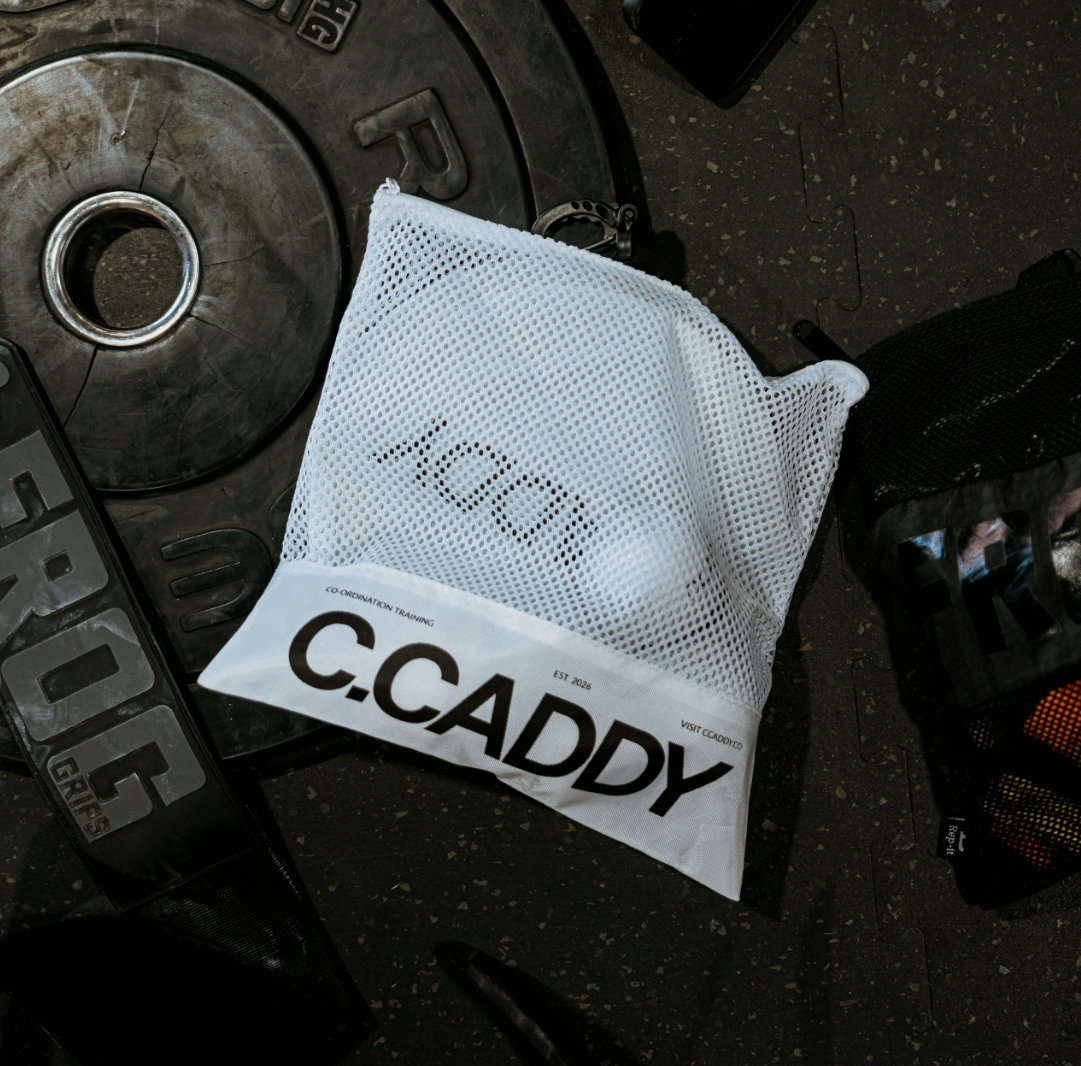
C.CADDY drills can be used as an additional training tool alongside sport-specific training.
Explore co-ordination training ideas for: AFL, Boxing, NRL, CrossFit, Soccer, Basketball, Tennis, Cricket, Netball, Rugby
Our sport-specific guides break down drills and training ideas that can be adapted to different sports and training environments.
Co-ordination Training for Coaches & Teams
Co-ordination drills can also be incorporated into team sessions, warm-ups, skill development and group activities.
Using balls, markers and partner-based challenges allows coaches to create different drills without needing a large amount of equipment.
C.CADDY can be used for: Team warm-ups, Partner drills, Reaction challenges, Ball skills, Footwork, Small-group activities, Co-ordination games, Training challenges
Co-ordination Training for Kids
Co-ordination training doesn't have to feel like training.
For youth, simple ball games, movement challenges and reaction activities can turn co-ordination practice into active play.
Try incorporating: Catching games, Throwing games, Ball challenges, Footwork activities, Partner games, Reaction games, Movement challenges
The goal isn't to make every activity structured or serious. Sometimes the best way to practise movement is simply to play, move and have fun.
Frequently asked questions
Co-ordination training uses exercises and movement challenges that require different parts of the body to work together. It can involve hand-eye co-ordination, balance, timing, reaction, footwork, body control and movement.
Examples include ball toss and catch, wall catches, bounce-and-catch drills, footwork patterns, partner drills, reaction exercises and movement-based ball challenges.
Yes. Many co-ordination exercises require very little space or equipment. A ball, some markers and a safe area to move can provide plenty of options.
No. Co-ordination training can be adapted for athletes, coaches, kids, active adults and everyday movers. The difficulty can be changed by adjusting speed, movement, distance, timing or the complexity of the exercise.
The best equipment depends on the type of training you want to do. Balls, flat markers, cones and other simple training tools can all be used to create different co-ordination challenges.
Yes. C.CADDY can be incorporated into existing training for sports including AFL, boxing, NRL, CrossFit, soccer, basketball, tennis, cricket and more. It is designed as a general training tool and does not replace sport-specific coaching or training.
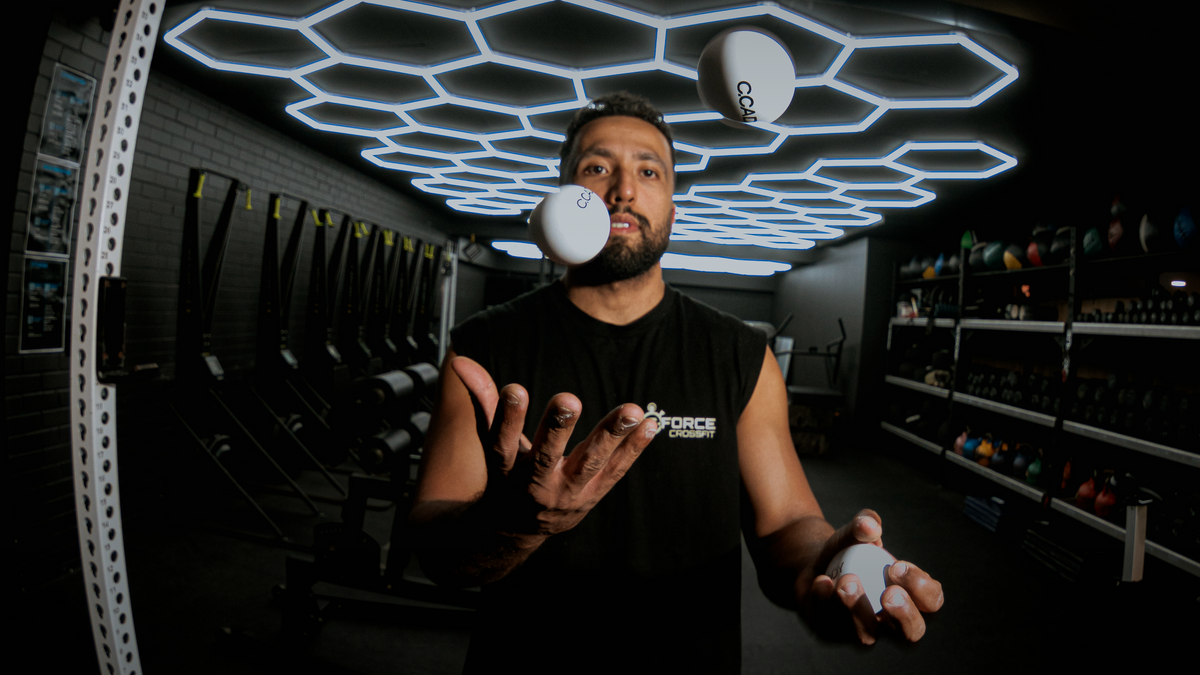
Keep Moving. Keep Playing. Keep Finding the 1%ers.
Co-ordination training doesn't have to be complicated. Grab a ball. Set up a few markers. Challenge yourself, grab a partner and see what you can do.
Explore C.CADDY and start training differently.