
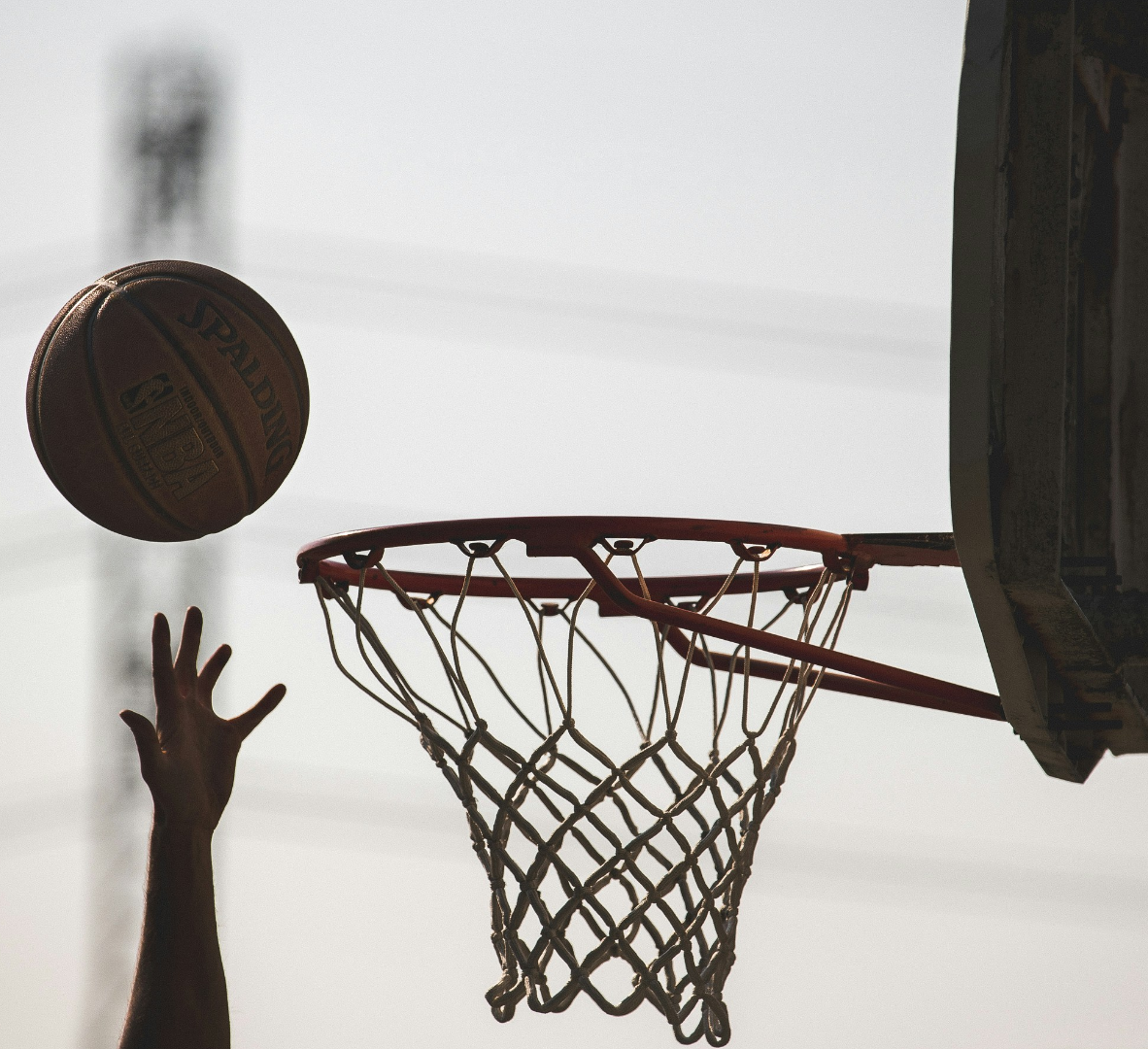
Basketball Co-ordination Training
Basketball is a fast-paced sport that requires more than shooting, passing and dribbling. Players are constantly tracking movement, responding to opponents, changing direction, controlling the ball and making decisions in a split second.
Why Is Co-ordination Important in Basketball?
Basketball is a fast-paced sport that requires more than shooting, passing and dribbling. Players are constantly tracking movement, responding to opponents, changing direction, controlling the ball and making decisions in a split second.
Co-ordination plays an important role in bringing these movements together.
Basketball co-ordination training introduces exercises that challenge hand-eye co-ordination, timing, balance, reaction time and body control. From ball-handling activities to partner challenges and footwork drills, there are plenty of ways to introduce co-ordination into your basketball training routine.
At C.CADDY, we focus on the foundations of movement. Our co-ordination training equipment provides a fun and versatile way for basketball players, coaches and teams to explore new movement challenges away from traditional basketball drills.
Hand-Eye Co-ordination
Basketball players regularly use visual tracking and hand control when dribbling, passing, catching and shooting. Hand-eye co-ordination exercises introduce different catching and throwing challenges that encourage players to track moving objects and coordinate their movements.
Reaction Time and Speed
From responding to a defensive player to receiving an unexpected pass, basketball involves constantly recognising and responding to changing situations. Reaction training drills introduce visual, verbal and movement-based cues to challenge how players respond.
Footwork, Balance and Body Control
Quick changes of direction, lateral movement and controlled footwork are common throughout basketball. Combining marker drills with movement challenges provides another way to practise footwork and agility.
Basketball Co-ordination Drills & Exercises
Looking for basketball co-ordination drills to introduce into your training sessions? These exercises are designed to challenge different movement foundations and can be adapted for individual players, partner activities and team training.
BASKETBALL CO-ORDINATION
Focus: Hand-eye co-ordination | Timing | Focus
Start with one ball in each hand. Toss one ball into the air, then introduce the second ball while attempting to catch the first. Focus on maintaining a consistent rhythm and tracking both balls throughout the exercise.
Start slowly and build towards continuous alternating throws and catches.
Make it harder: Increase the throwing height, change the throwing pattern or progress towards three-ball juggling.
Focus: Reaction time | Hand-eye co-ordination | Awareness
Stand facing a partner with one ball between you. Your partner releases or gently tosses the ball without warning. React to the movement and catch it before it reaches the ground.
Vary the release height and direction to introduce different reaction challenges.
Make it harder: Introduce two balls, alternate catching hands or combine the catch with a lateral step.
Focus: Footwork | Agility | Body control
Set out four to six flat training markers in a small area. Start in the middle and have a partner call out a colour or marker position. Move quickly towards the correct marker before returning to the centre.
Keep your movements controlled and focus on changing direction efficiently.
Make it harder: Introduce consecutive colour calls, shuffle between markers or add a ball-handling task.
Focus: Reaction speed | Listening | Decision-making
Set out multiple markers, each assigned a number or colour. Start with a ball in your hands. Have a partner call out a marker and react by moving towards the correct position while maintaining control of the ball.
Make it harder: Introduce unexpected calls, change the starting position or add a catch-and-throw movement before responding.
Focus: Hand-eye co-ordination | Timing | Ball control
Hold a ball in one hand and toss it into the air. Catch it with your opposite hand before repeating the movement in the other direction.
Focus on controlled throws, consistent timing and smooth transitions between hands.
Make it harder: Introduce a clap, squat or lateral step between each throw and catch.
Focus: Agility | Visual awareness | Reaction
Stand facing a partner with enough space to move safely. One person leads by stepping, shuffling or moving laterally while the other attempts to mirror their movements.
Swap leaders regularly and introduce unexpected changes in direction.
Make it harder: Add a ball, increase the movement speed or introduce a verbal cue that signals when to change direction.
How to Incorporate Co-ordination Training Into Basketball Practice
Co-ordination exercises can be introduced at different stages of a basketball training session.
- Basketball Warm-Ups: Use short ball tosses, partner catching games and marker footwork activities to get players moving and engaged before court training.
- Individual Skill Development: Introduce hand-eye co-ordination challenges, juggling progressions and ball-handling activities to explore timing and control.
- Partner Training: Use reaction catches, mirror movements and passing challenges to encourage players to work together and respond to different cues.
- Team Training Stations: Set up multiple activity stations using balls and markers. Rotate players through different challenges focusing on reaction, timing, footwork and co-ordination.
- Junior Basketball Training: Introduce simple movement games and catching challenges that make training enjoyable while encouraging participation and movement exploration.
Frequently asked questions
Basketball co-ordination training involves exercises that challenge how players combine different movements, including catching, throwing, footwork, balance, timing and reaction. These activities can complement traditional basketball training by introducing additional movement challenges.
Hand-eye co-ordination is involved in many basketball movements, including dribbling, catching, passing and shooting. It helps players visually track the ball and coordinate their hand movements with what they see.
Some useful basketball co-ordination exercises include two-ball toss and catch, partner reaction catches, alternating hand tosses, mirror movements, marker footwork and multi-ball partner passing. These activities can be adapted to suit different ages and experience levels.
Players can introduce reaction-based exercises that involve responding to unexpected visual, verbal or movement cues. Partner drop catches, call-and-react challenges and directional marker drills are examples of activities that can be included in training.
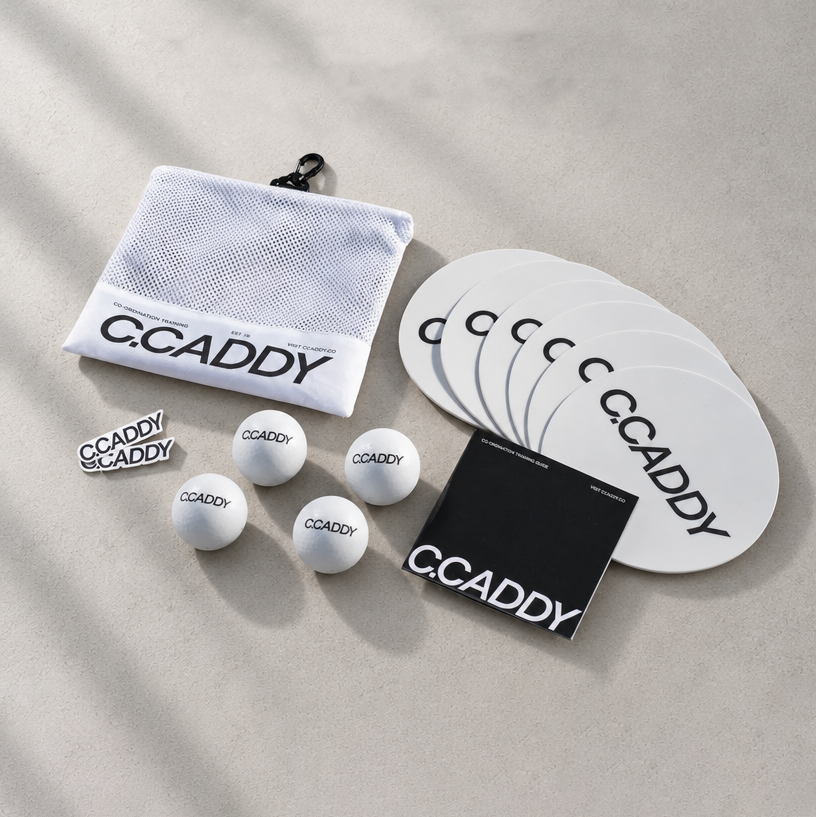
Basketball co-ordination training can use basketballs, reaction balls, rubber training balls, flat markers and cones. C.CADDY combines rubber balls and flat training markers to create a range of catching, reaction, footwork and partner activities.
Yes. Many co-ordination exercises can be completed at home with limited space and simple equipment. Ball tosses, juggling, partner catches and marker-based footwork challenges are all activities that can be adapted for a backyard or suitable indoor space.
Yes. Co-ordination exercises can be adapted to suit junior players by starting with simple catching, throwing and movement activities. Games and partner challenges can also make training more engaging and enjoyable.
Explore practical gear for movement, agility and active play. The Movement & Training collection brings together C.CADDY equipment designed to build confidence, co-ordination and skill wherever you train.
Explore More Co-ordination Training
Basketball is just one way to explore the foundations of movement. Discover more C.CADDY training ideas and activities.
FIND THE 1%ERS. HAVE SOME FUN DOING IT.