
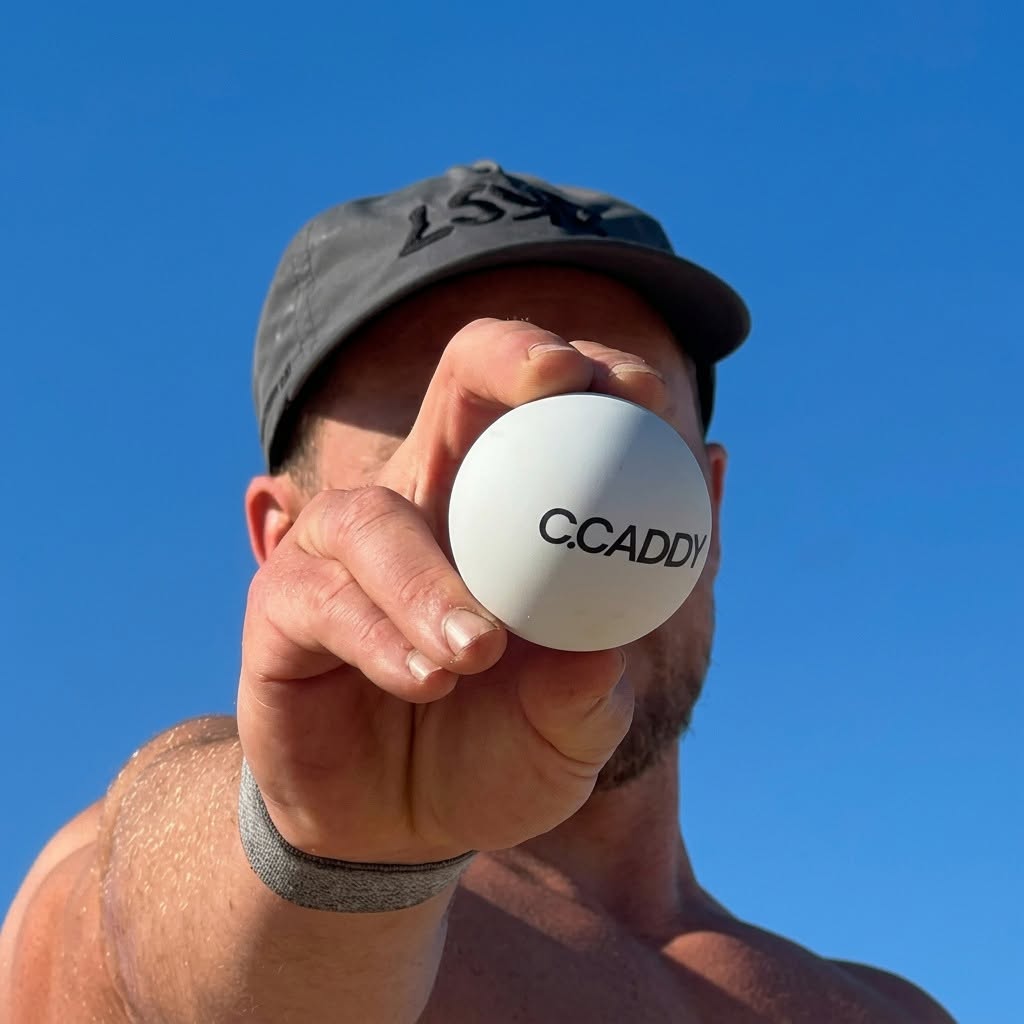
Hand-Eye Co-ordination Training
Like any movement skill, hand-eye co-ordination can be challenged and practised through simple, engaging activities. Whether you're an athlete looking to add variety to your training, a coach preparing a team, or someone who simply enjoys learning new skills, there are plenty of ways to get started.
What Is Hand-Eye Co-ordination?
Hand-eye co-ordination involves using visual information to guide hand movements. It helps you judge where an object is, track its movement and coordinate your hands to respond.
Think about catching a ball thrown by a teammate. You need to follow the ball with your eyes, judge its direction and timing, then move your hands into position to catch it. All of these actions work together in one movement. Hand-eye co-ordination is relevant across a wide range of activities, including:
- Catching, throwing and passing a ball.
- Tracking moving objects during sport.
- Responding to a teammate's movements.
- Practising ball skills and juggling.
- Completing partner drills that involve timing and reaction.
- Taking part in everyday activities that require visual attention and controlled hand movements.
The good news? Simple ball drills can provide a starting point, with plenty of ways to adjust the challenge as you practise.
How to Improve Your Hand-Eye Co-ordination
Improving a movement skill starts with practice. Rather than trying to make every drill fast or difficult from the beginning, focus on control and build the challenge gradually.
Here are a few ways to approach your training:
Choose a simple throwing, catching or passing activity that you can complete comfortably.
Add short co-ordination activities to your regular training or movement routine.
Adjust the distance, speed, direction or type of catch to introduce a new challenge.
Working with another person allows you to practise responding to different throws, movements and cues.
Once you're comfortable with the basic movement, incorporate footwork, balance or another task.
Try new drills, set personal challenges or work with a partner to keep your sessions varied.
Train Hand-Eye Co-ordination with C.CADDY
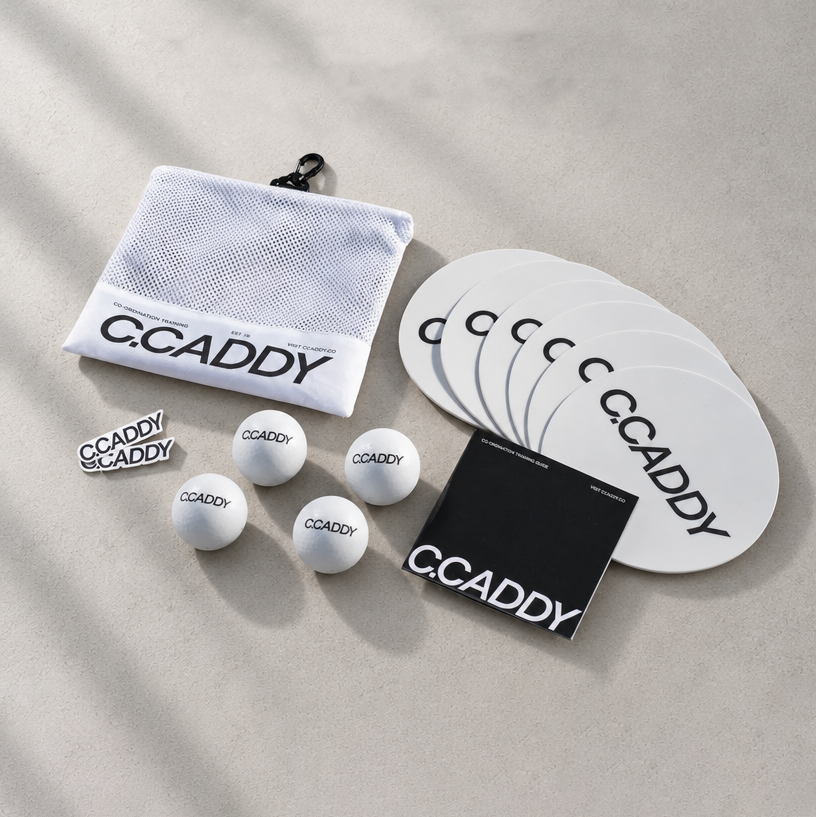
Designed to be used at home, in the backyard, at the park or during structured training, the kit makes it easy to introduce co-ordination activities into your routine.
- 4 rubber balls for throwing, catching, passing and reaction-based drills.
- 6 flat training markers for movement patterns, footwork and positioning activities.
- 24-page Training Guide with activities to help you get started.
- Training Vault access via QR code, featuring video tutorials across foundation, intermediate and advanced training, including partner and team activities.
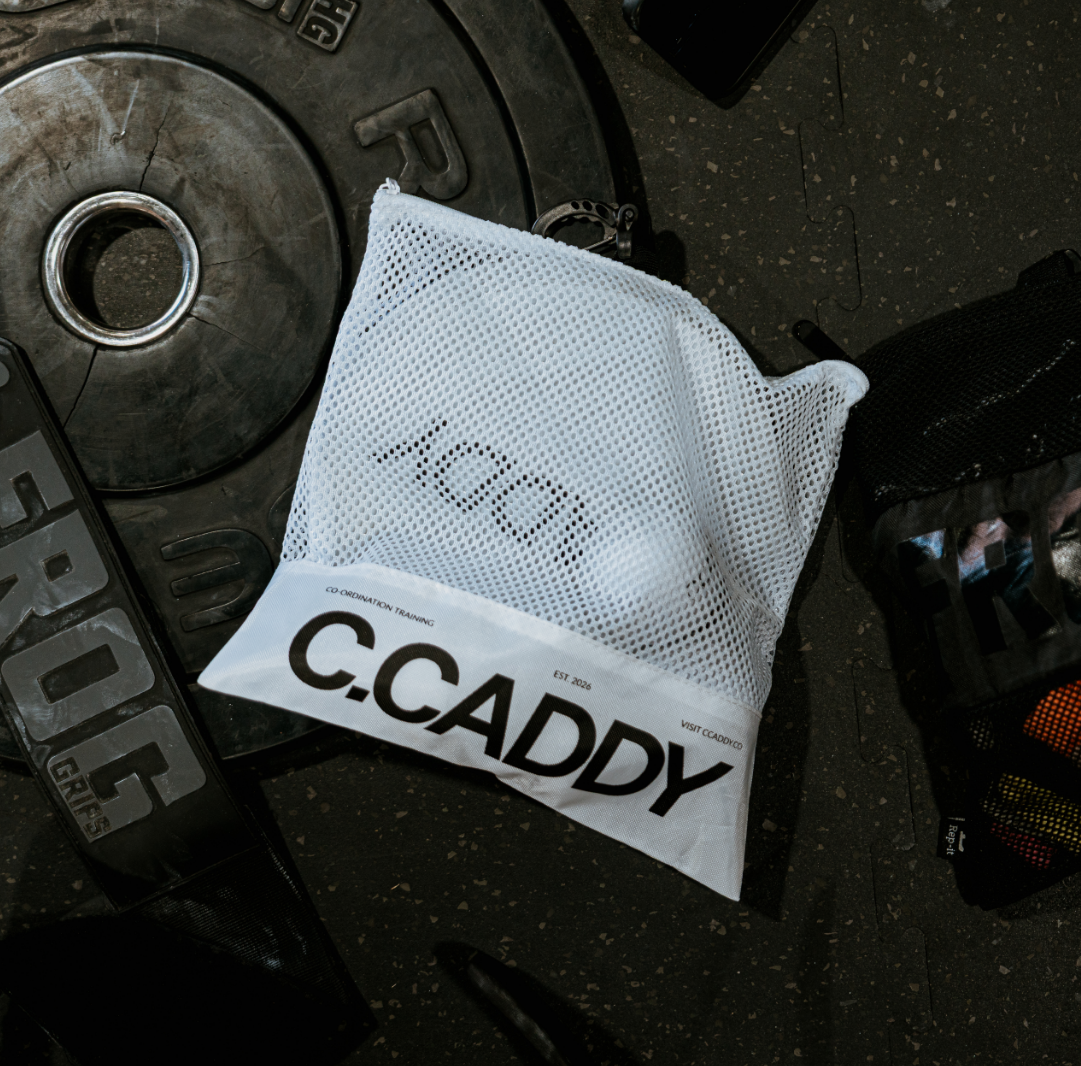
- Carry bag to keep your equipment together and ready to go.
Use the kit to practise on your own, challenge a training partner or introduce new activities to your team.
Whether you're learning the basics or looking for new ways to challenge your existing skills, C.CADDY brings the equipment and ideas together in one practical kit.
Explore practical gear for movement, agility and active play. The Movement & Training collection brings together C.CADDY equipment designed to build confidence, co-ordination and skill wherever you train.
Frequently asked questions
Hand-EYE CO-ORDINATION
Hand-eye co-ordination can be practised through activities that involve tracking objects and coordinating hand movements. Throwing, catching, passing and partner drills are simple ways to introduce these movements into your routine.
The most suitable exercises depend on your experience and goals. Wall ball tosses, partner drop catches, ball passing and alternating tosses are accessible options to try. You can adjust the speed, direction and complexity as you become more comfortable.
Athletes can incorporate ball tracking, catching, passing and partner reaction drills into warm-ups or skill sessions. Activities can also be adapted to reflect the movements and demands of their particular sport.
Yes. Many basic drills require only a ball and enough space to move safely. A backyard, open room or suitable outdoor area can provide a starting point, depending on the activity.
You can begin with a suitable ball and a little space. Training markers can also be used to introduce footwork, positioning and movement into your drills. The C.CADDY Co-ordination Kit combines balls, markers and guided training resources in one package.
No. Hand-eye activities can be adapted for a wide range of ages, abilities and experience levels. They can be used in individual practice, recreational activities, team warm-ups and everyday movement routines.
Find Your Next Challenge
From simple catching activities to partner reaction drills, hand-eye co-ordination training offers plenty of ways to practise movement, timing and control.