
Reaction Training
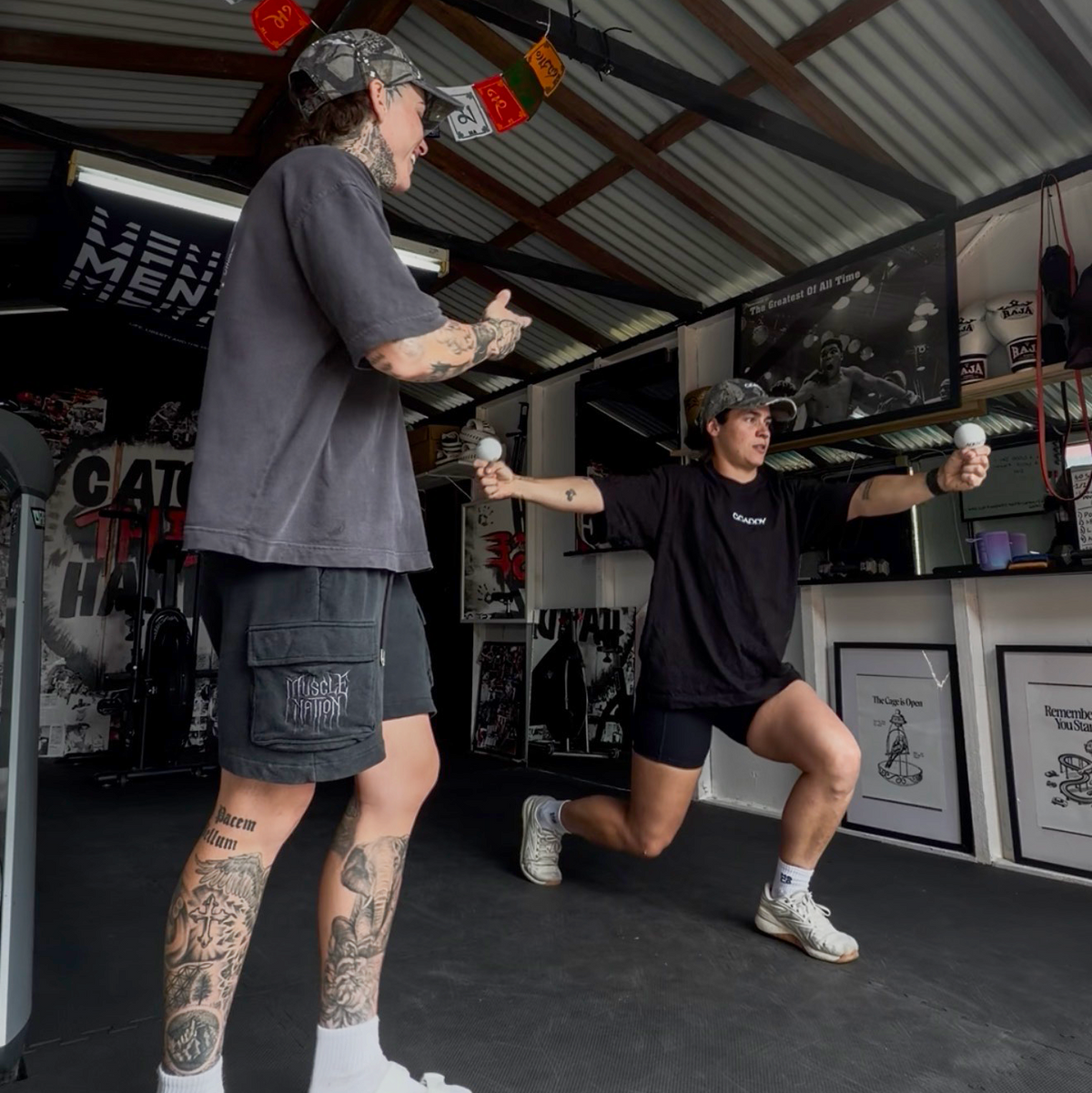
Reaction training is about more than being quick. It's about recognising a cue, processing what is happening and responding with control. Whether you're catching a moving ball, responding to a partner's instructions or changing direction on the move, reaction-based exercises challenge the connection between your eyes, brain and body.
Why Does Reaction Training Matter?
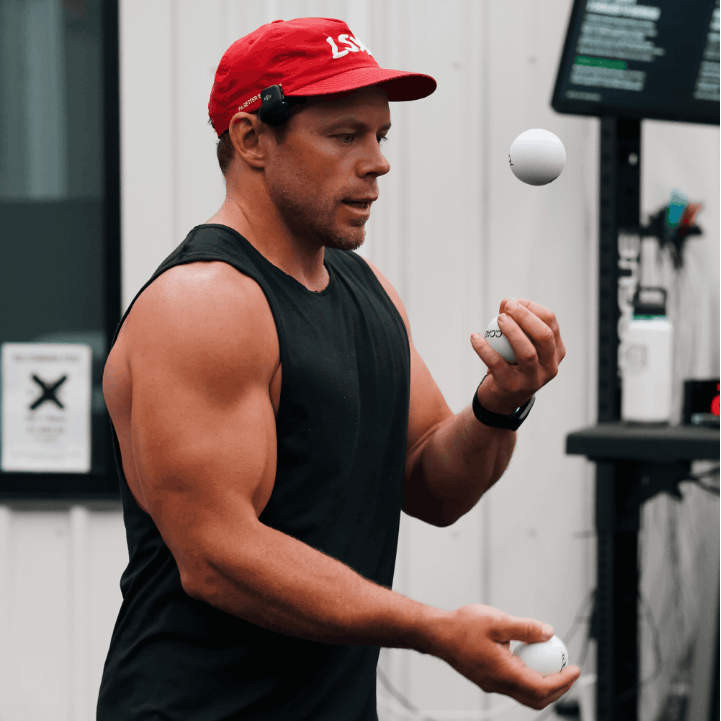
Reaction time plays a role in almost every sporting environment and many everyday movements. From responding to an opponent on the field to catching an unexpected pass, the ability to recognise and respond to changing situations is an important part of movement.
Reaction training introduces exercises that challenge how you see, process and respond to different cues. These activities can combine physical movement with focus, decision-making and co-ordination.

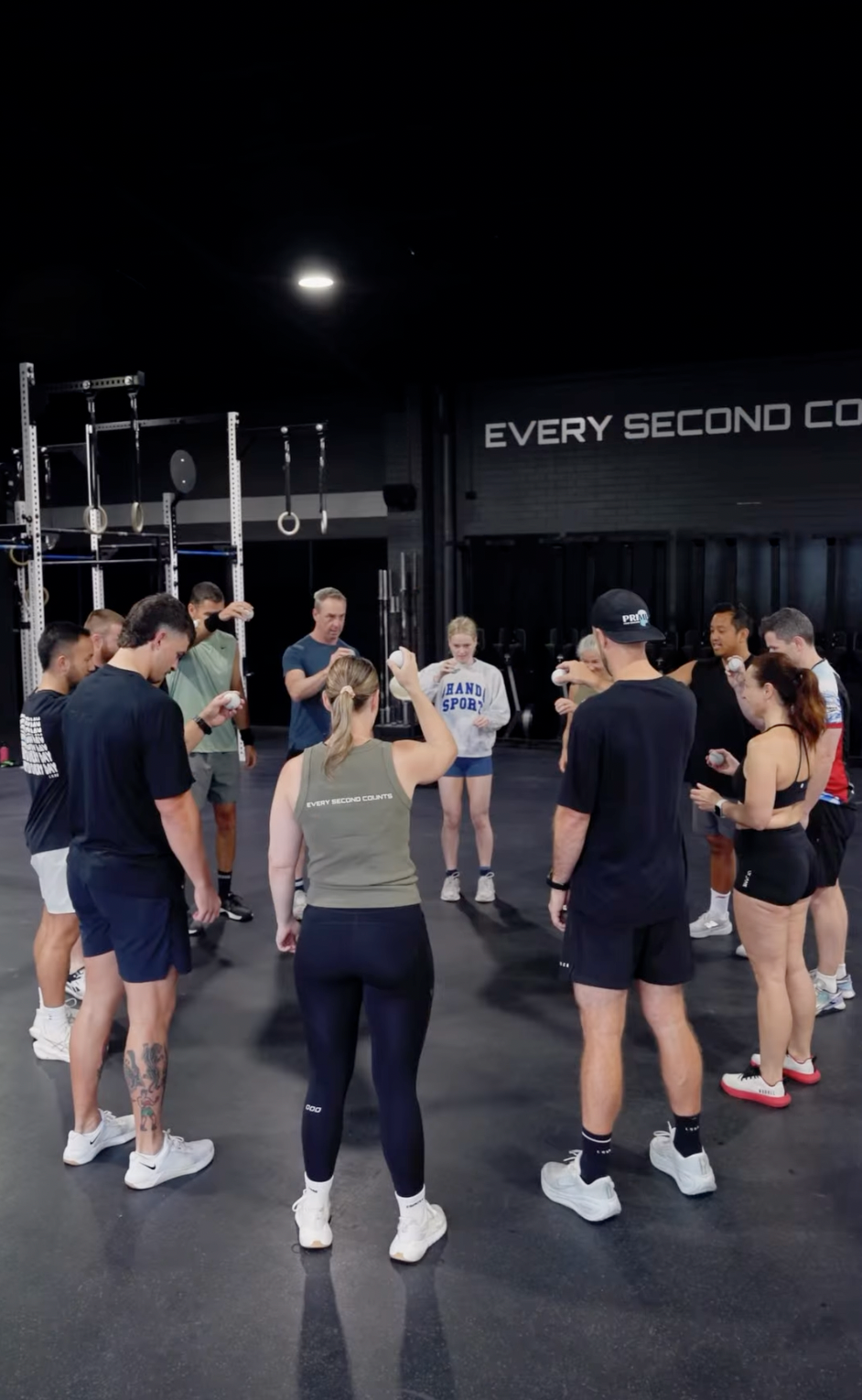
How to Use the C.CADDY Kit for Reaction Training
The C.CADDY Co-ordination Kit provides simple, versatile equipment to help you explore reaction training, hand-eye co-ordination, footwork and movement challenges.
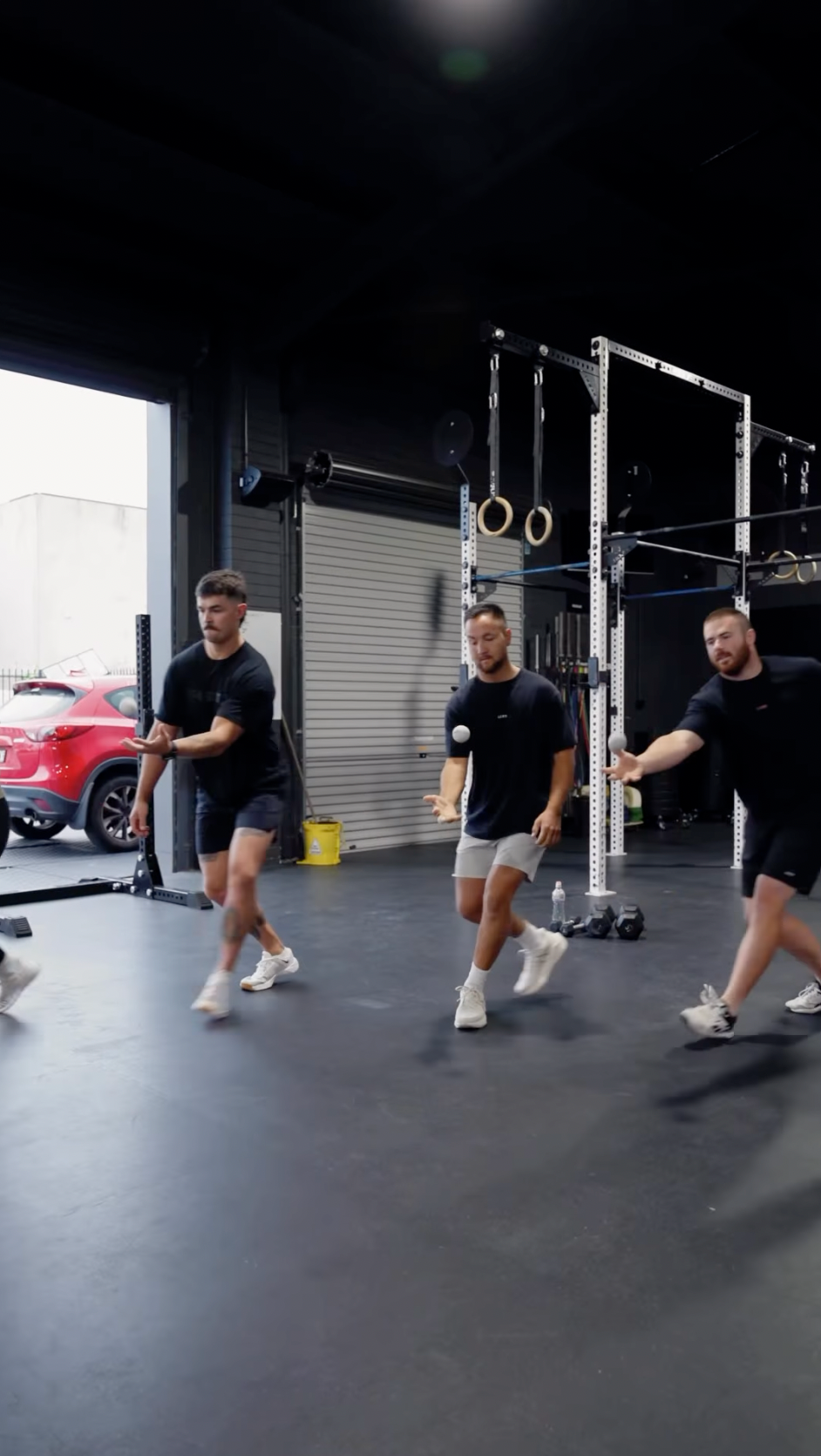
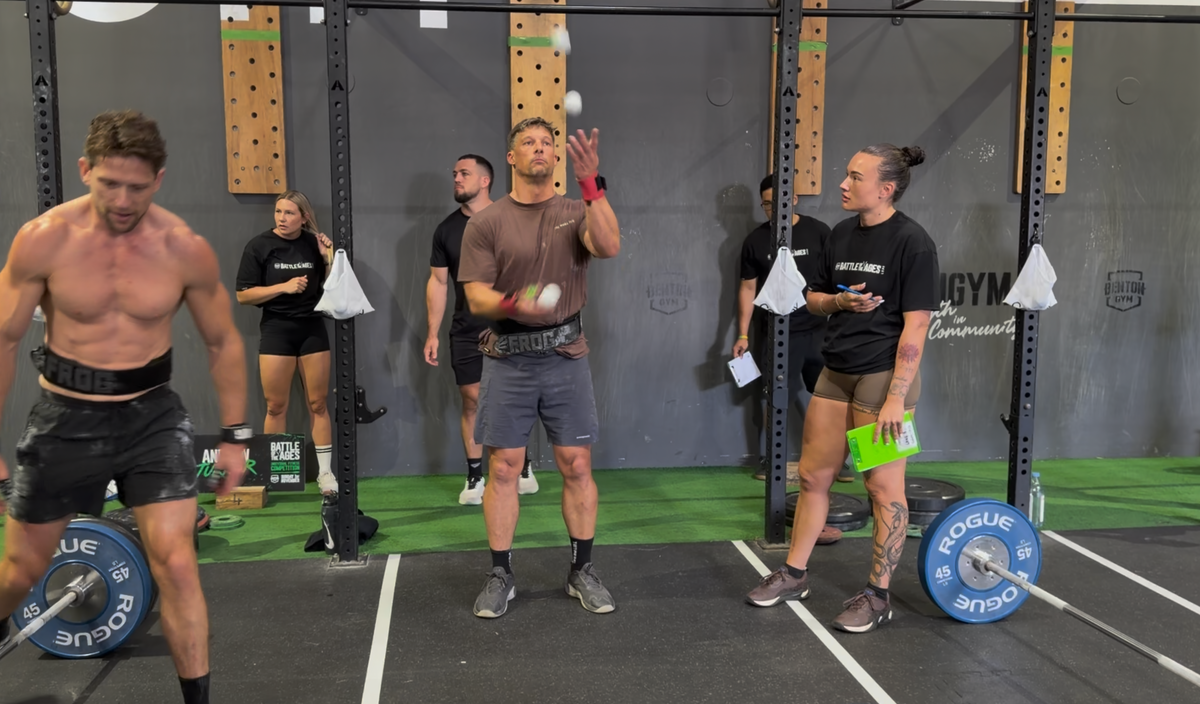
Introduce reaction drills into warm-ups, training sessions and partner activities. Challenge hand-eye co-ordination, movement awareness and responses to changing cues.
Add variety to your sessions with simple reaction training exercises that can be adapted for individuals, small groups and larger teams.
Combine ball handling, footwork and reaction-based activities to bring another dimension to your warm-ups and movement sessions.
Encourage movement, participation and playful challenges through simple catching, throwing and reaction games.
Not every movement session needs to be serious. Use balls and markers to explore new movement patterns, challenge your timing and enjoy being active.
Explore practical gear for movement, agility and active play. The Movement & Training collection brings together C.CADDY equipment designed to build confidence, co-ordination and skill wherever you train.


Frequently asked questions
Reaction training involves exercises designed to challenge how quickly and accurately a person responds to a stimulus or changing situation. This can include reacting to a moving ball, a visual signal, a verbal instruction or another person's movement.
Reaction time is relevant across many sports, from catching and passing to responding to an opponent or changing direction. Reaction-based training can introduce opportunities to practise responding to different cues while combining movement, focus and co-ordination.
Some accessible reaction time exercises include partner drop catches, random ball throws, call-and-react drills, mirror movements and colour or number-based marker activities. These can be adjusted to suit different sports, abilities and experience levels.
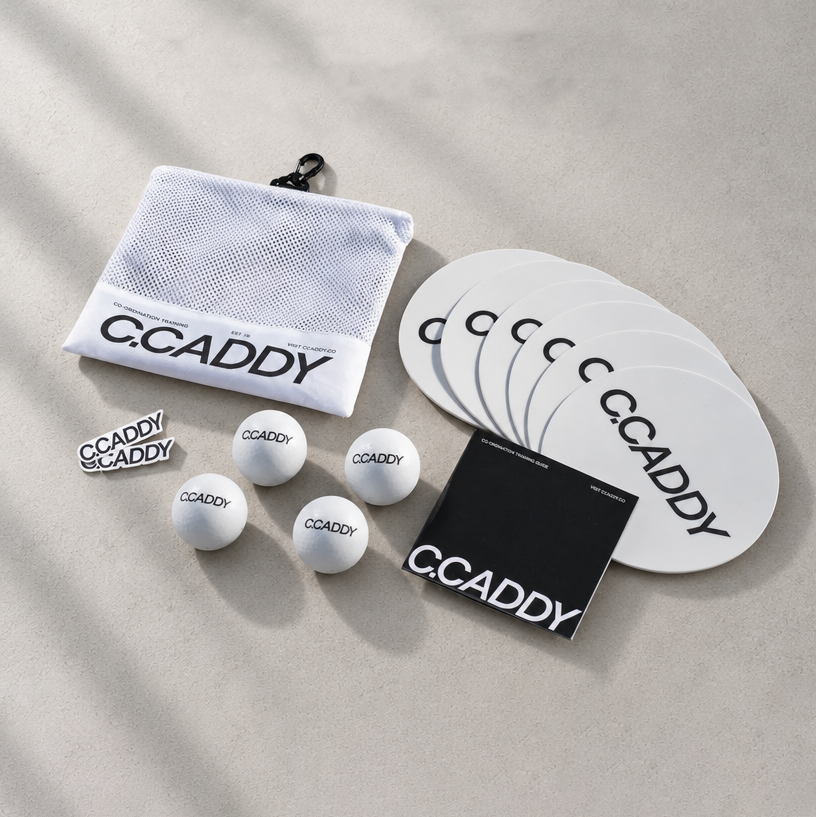
Reaction training equipment can include reaction balls, training markers, cones, light systems and other tools that introduce visual or movement-based challenges. C.CADDY uses rubber balls and flat training markers to create a variety of catching, movement and partner reaction exercises.
Yes. Many reaction training exercises require very little space or equipment. Ball tosses, partner catching games, marker call-outs and simple movement challenges can be practised at home, in a backyard or at a local park, provided there is a suitable and safe training area.
Coaches can introduce reaction exercises through short warm-up activities, partner drills, movement stations and group challenges. Varying the instructions, ball direction, movement patterns and starting positions can create different challenges for athletes.
Reaction-based activities can be adapted for different experience levels. Beginners can start with simple, predictable catching and movement exercises before introducing more varied cues, faster responses or more complex combinations.
Reaction training focuses on responding to a stimulus or cue, while agility training involves changing direction and controlling movement efficiently. The two can overlap when an athlete reacts to a signal and then moves in a particular direction.
Yes. The C.CADDY Co-ordination Kit includes four rubber balls and six flat training markers that can be used for a range of reaction, catching, hand-eye co-ordination and footwork exercises. Each kit also includes a training guide and QR access to the Training Vault.
Find Your Next Movement Challenge
Reaction is just one part of the bigger picture. Explore the other foundations of movement with C.CADDY.
One kit. More ways to move.