
Reaction Training Equipment: What Are Your Options?
Reaction training doesn't have to mean complicated technology, expensive equipment or a specialised training facility. Some of the best reaction training equipment can be surprisingly simple. The purpose of reaction training is to create a stimulus that requires you to respond. That stimulus could be a ball, a sound, a visual cue, a partner or a change in direction. The right equipment depends on what you want to train, your environment and who you're training with. Let's look at some of the most common reaction training equipment options.

Reaction Balls
Reaction balls are designed to bounce unpredictably. Unlike a traditional ball that generally travels in a predictable direction, a reaction ball can move unexpectedly after hitting the ground. That makes it useful for reaction drills, hand-eye coordination exercises and athletic training. You can use a reaction ball by yourself or with a partner.
Try dropping it and catching it, bouncing it against a wall or having a partner throw it towards you.
Training Balls
You don't necessarily need a specialist reaction ball to train reaction time. A standard rubber ball can be used for hundreds of reaction drills. Partner throws, ball drops, bounce catches and unexpected passes can all turn an ordinary ball into a reaction training tool. Different sizes and weights can also change the challenge. Smaller balls may require more precision, while larger balls can be useful for beginners.
Training Markers
Training markers are another simple but versatile piece of reaction training equipment. Markers allow you to create targets, movement zones and directional cues. Place four markers around you and have a partner call a colour. React and move towards the correct marker. You can also use markers to create reaction courses, lateral movement drills or partner challenges.
Cones
Cones work in a similar way to markers but can provide larger visual targets. They are particularly useful when working with groups or teams. Set up a series of cones and have a coach or partner provide random instructions. The athlete needs to react, change direction and complete the movement.
A Partner
One of the most effective pieces of reaction training equipment might not be equipment at all. It's another person.
A partner can provide unpredictable movement, visual cues, verbal commands and different throwing patterns. This makes partner reaction drills particularly useful because the athlete cannot completely predict what will happen next.

Technology-Based Reaction Training
There are also more advanced reaction training systems available. These can use lights, sensors, apps or digital cues to create structured reaction exercises. Technology can be useful for coaches and athletes who want measurable data or more advanced training options. However, technology isn't essential for creating a reaction challenge. A ball, a few markers and a partner can create plenty of variety.
What Equipment Do You Actually Need?
The answer depends on your goal. If you're training reaction time at home, you might only need a ball. If you're creating agility and reaction drills, adding markers gives you more movement options. If you're training with a partner, you can introduce unpredictable throws, catches and calls. For teams, additional equipment can help create multiple stations and keep athletes moving.
This is where versatility becomes important.
Rather than having one piece of equipment that can only perform one exercise, look for equipment that can be used in different ways.
Combining Equipment
One of the best ways to make reaction training more interesting is to combine simple equipment. For example:
Ball + markers: React to a call and move towards the correct marker before catching the ball.
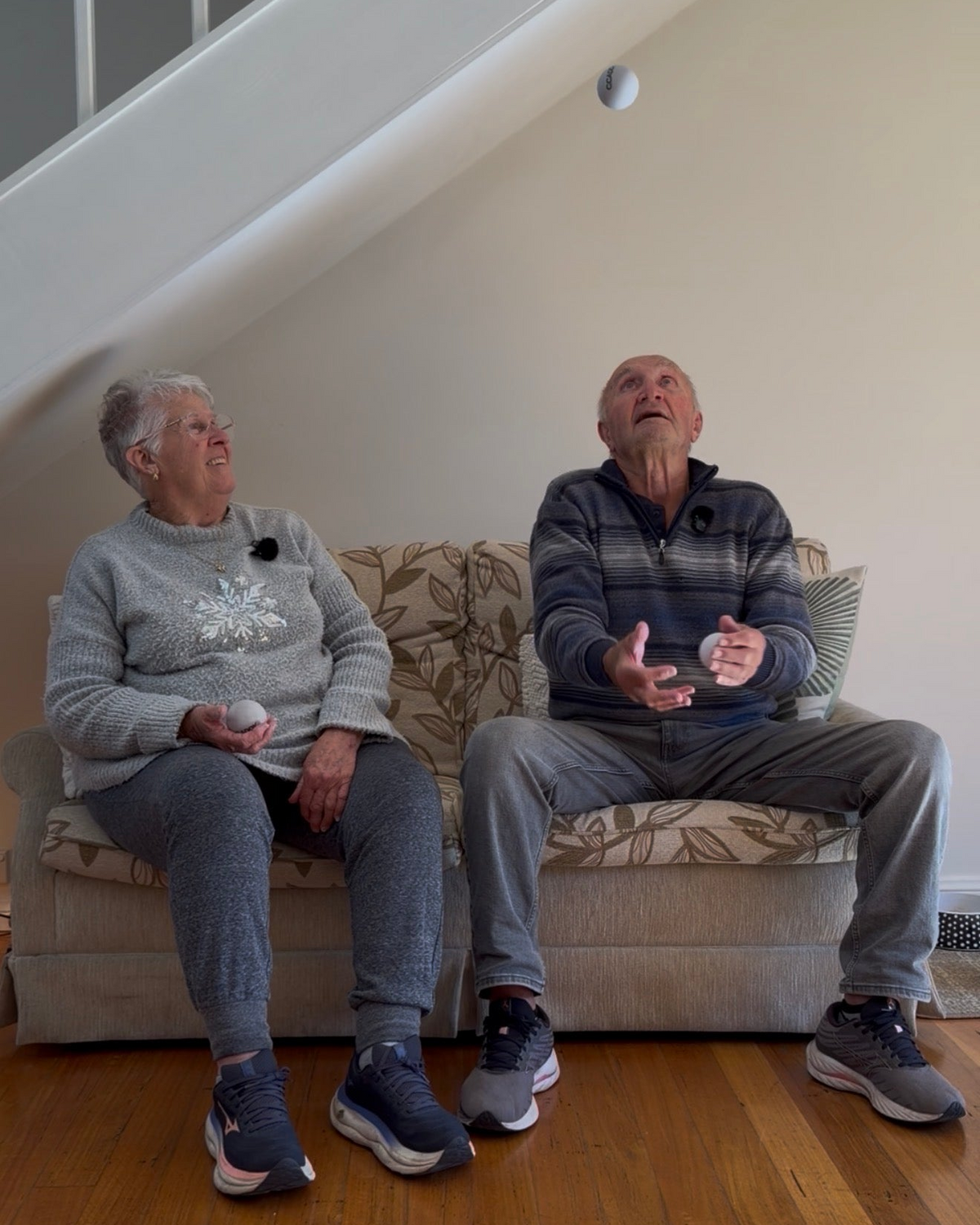
Two balls + partner: Your partner throws one ball while you hold another.
Markers + movement: React to a colour and sprint, shuffle or backpedal towards it.
Ball + balance: Stand on one leg while catching a ball.
The possibilities are almost endless.

Reaction Training Doesn't Have to Be Complicated
Reaction training is ultimately about responding to information.
The equipment simply creates the challenge.
That means you don't need a huge collection of equipment to start.
A small collection of versatile tools can provide plenty of opportunities for reaction, coordination, balance and movement training.
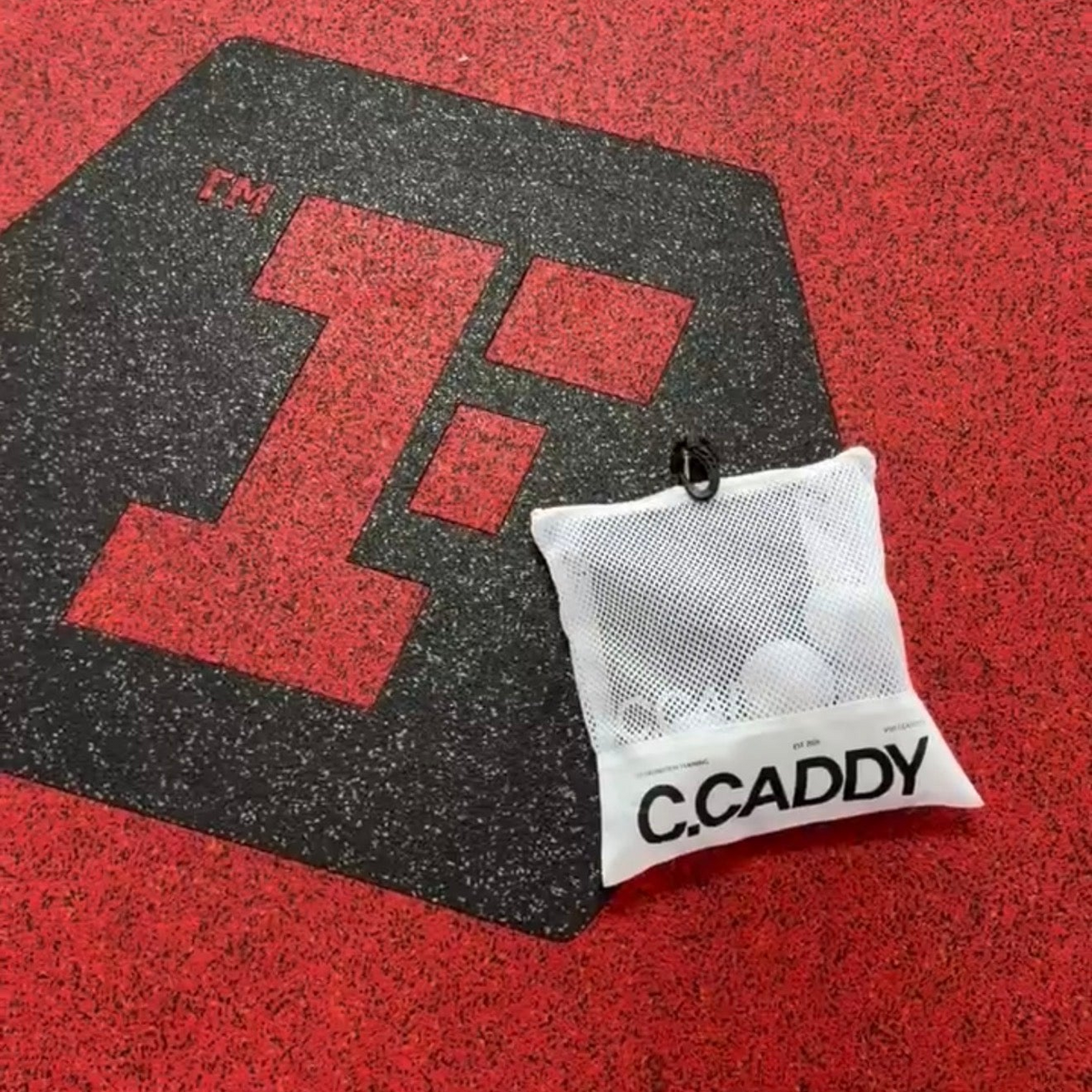
The C.CADDY Co-ordination Kit combines four C.CADDY rubber balls, six flat training markers and a training guide, with access to the C.CADDY Training Vault.
It's designed to make coordination training more accessible and give athletes, coaches, families and everyday movers a simple starting point.
Whether you're training in the backyard, at the park, in the gym or as part of a team session, the goal is simple: create opportunities to move, react and play.
Ready to train differently? Explore the C.CADDY Co-ordination Kit.
Read more

AFL is a fast-moving sport that asks players to constantly process information and respond. The ball can come from almost any direction, while teammates, opponents and space are constantly changing...
If you've ever tried to catch something unexpectedly thrown towards you, juggle multiple balls or learn a new ball skill, you'll know how quickly a seemingly simple movement can become a challenge....