

Co-ordination Activities for Kids: Fun Ways to Build Movement Skills
Kids learn through movement. Running, jumping, catching, throwing, balancing and changing direction all give children opportunities to explore how their bodies move and respond to the world around them.
Co-ordination activities for kids don't need to feel like structured training. In fact, turning movement into a game can be one of the easiest ways to encourage kids to practise co-ordination while having fun.
From backyard games to partner challenges, there are plenty of simple activities that can get kids moving.

What Is Co-ordination for Kids?
Co-ordination is the ability to control different parts of the body and make them work together effectively. For children, this can include skills such as:
-
Catching
-
Throwing
-
Kicking
-
Balancing
-
Running
-
Jumping
-
Changing direction
-
Tracking objects
-
Reacting to sounds or visual cues
-
Controlling body movements
These skills develop through practice, exploration and play.
Why Are Co-ordination Activities Important for Kids?
Movement gives children opportunities to learn how their bodies respond to different situations. A simple game of catch can involve tracking an object, judging distance, moving into position and timing the movement of the hands. A marker game can involve listening to instructions, changing direction and controlling body position. The activity may look simple, but multiple movement skills can be involved at the same time.
Fun Co-ordination Activities for Kids
1. Partner Drop Catch
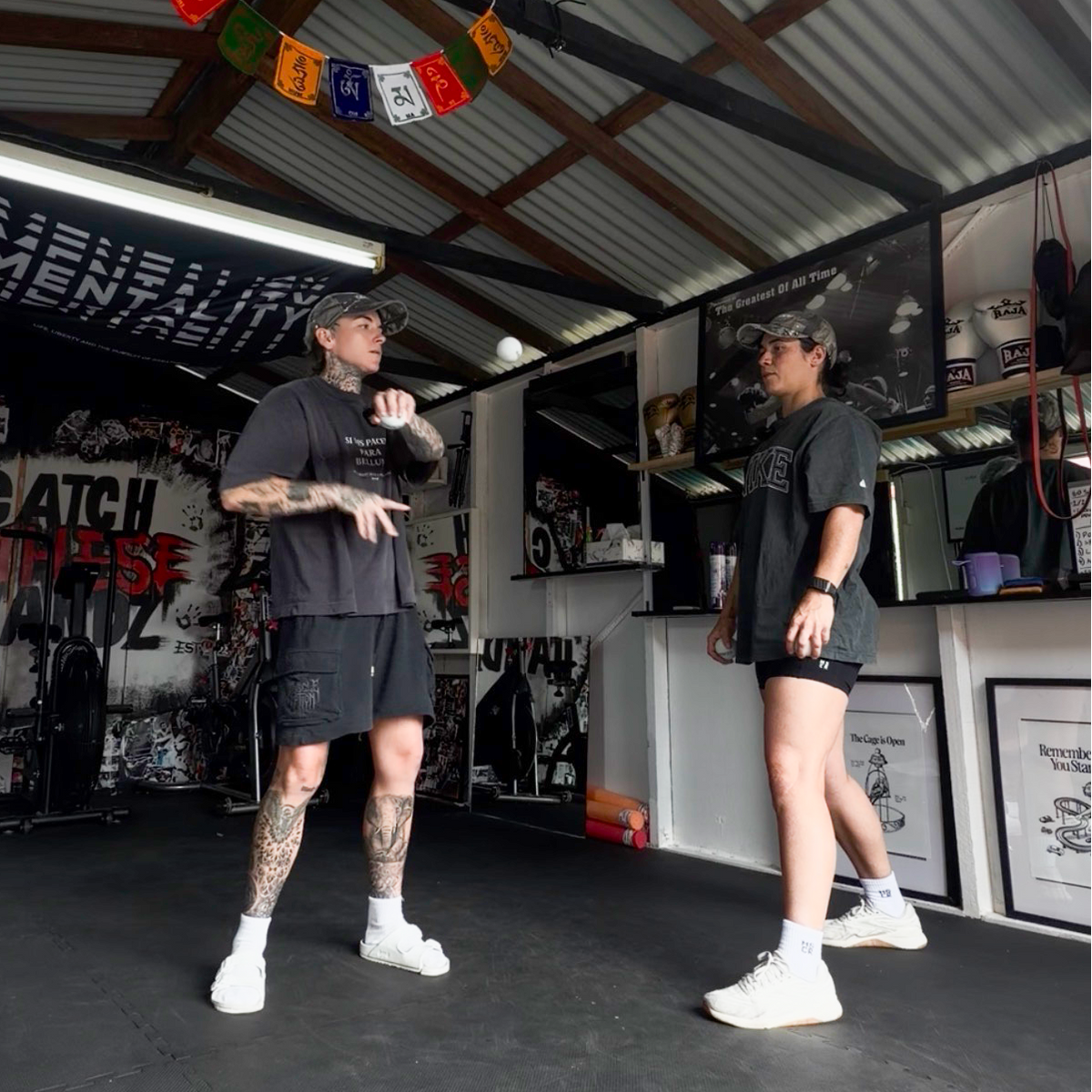
Have one child stand opposite a partner. The partner holds a ball and drops it unexpectedly. The child attempts to catch it before it reaches the ground. To make it more challenging, change the starting position or distance.
2. Colour Call Movement Game
Place several markers on the ground. Call out a placement and have the child move to that marker as quickly as they can. You can turn it into a game by adding different actions for each marker.
For example:
-
Left = jump
-
Right = touch the marker
-
Front = run around it
-
Back = balance
This turns a simple movement activity into a reaction and listening challenge.
3. Ball Toss & Catch
Start with a simple two-handed throw and catch. Once the child becomes comfortable, try:
-
Throwing higher
-
Throwing to different sides
-
Catching with one hand
-
Clapping before catching
-
Turning before catching
-
Moving while catching
Keep the activity age appropriate and focus on fun rather than perfection.
4. Marker Fast Feet
Set out several markers in a small pattern. Ask the child to move between them using different footwork patterns. Try forward, sideways and diagonal movements. You can add a ball or verbal cue once they become comfortable with the basic movement.
5. Follow the Leader
One person becomes the leader while everyone else copies their movements.
Try:
-
Hopping
-
Side steps
-
Squats
-
Running
-
Jumping
-
Reaching
-
Balancing
Swap the leader regularly so everyone gets a turn.
6. Reaction Ball Game
Stand opposite your child and gently throw or roll a ball in different directions. The child needs to watch the ball and react to where it goes. Keep the distance appropriate for their age and ability.
7. Movement Memory Game
Create a short sequence of movements.
For example:
Jump → touch marker → clap → turn
Have the child watch the sequence and then copy it.
Gradually increase the number of movements as they become more comfortable.
This combines movement with memory and attention.
8. Balance & Catch
Ask the child to balance on one foot while holding or catching a ball. You can make this a simple challenge:
"How many catches can you make before changing feet?"
Keep the focus on control rather than speed.

Turn Co-ordination Into a Game
The best co-ordination activities for kids don't necessarily feel like exercise. Games can introduce an element of challenge and encourage children to keep trying. Try creating simple challenges such as:
Can you beat your score?
Count successful catches, movements or completed rounds.
Can you do it backwards?
Change the direction or starting position.
Can you do it with a partner?
Add another person and introduce passing or reaction challenges.
Can you remember the sequence?
Add movements one at a time and see how many the child can remember.
The goal is to encourage movement, exploration and confidence.
Co-ordination Activities for Kids at Home
You don't need a sports field or gym to practise co-ordination. Many activities can be done in a backyard, driveway, park or suitable indoor space. A few simple pieces of equipment can also create more options.
Training markers can be used to create targets, movement patterns and boundaries, while soft or suitable balls can be used for catching, throwing, rolling and reaction games. Always choose an appropriate space and equipment for the child's age and ability.
Reduce Screen Time With Active Play
Co-ordination games can also be a simple way to encourage children to swap some screen time for active play. Rather than making movement feel like another chore, create short challenges throughout the day. Try a five-minute catch challenge, a backyard marker game or a quick partner reaction activity. It doesn't have to be a full training session. A few minutes of movement can become part of everyday play.
Co-ordination Activities for Different Ages
The right activity will depend on the child's age, confidence and movement experience.
Younger children may benefit from simple activities involving:
-
Throwing
-
Catching
-
Balancing
-
Running
-
Jumping
-
Following instructions
Older children can be challenged with:
-
Faster reactions
-
More complex movement patterns
-
Partner drills
-
Multiple objects
-
Memory sequences
-
Sport-specific movements
The important thing is to keep activities enjoyable and appropriately challenging.

Make Movement Fun With C.CADDY
C.CADDY was designed to make co-ordination training accessible, portable and fun.
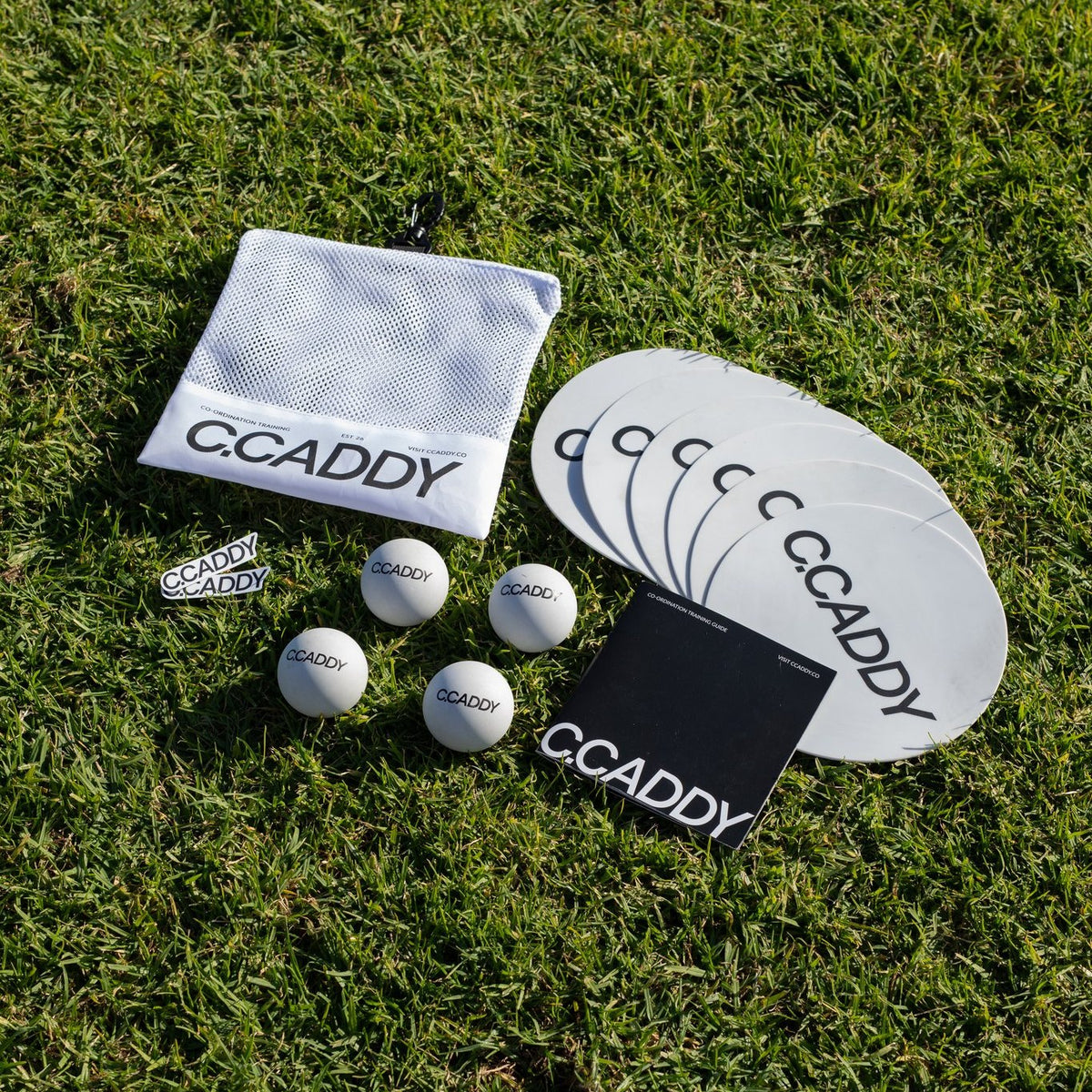
The C.CADDY Co-ordination Kit includes balls, training markers, a Training Guide and access to the C.CADDY Training Vault, giving families plenty of ways to create movement games and challenges.
Use it in the backyard, at the park, before sport or simply when the kids need to get moving.
Because co-ordination training doesn't have to feel like training.
Move. Play. React. Repeat.
Explore the C.CADDY Co-ordination Kit and discover more co-ordination activities for kids.
Read more
Every sport places different demands on the body. A soccer player needs to control a ball with their feet while scanning the field. An AFL player may need to track a ball, react to an opponent and ...
Boxing is often associated with strength, speed and conditioning, but there is another important part of performance that can make a major difference: coordination. Whether you're a beginner learni...