

Hand-Eye Co-ordination Exercises for Youth: Fun Ways to Build Movement Skills
Developing hand-eye co-ordination is an important part of learning how to move, play and interact with the world. From catching a ball and throwing to a target to participating in team sports, children use hand-eye co-ordination in countless everyday activities.
The good news? Improving these skills doesn't need to involve complicated co-ordination equipment or structured training sessions. With a few balls, markers and some creativity, children can develop their movement skills through activities that feel more like play than practice.
Whether you're a parent looking for activities at home, a teacher planning school sports activities or a coach working with junior athletes, there are plenty of ways to introduce hand-eye co-ordination exercises into everyday play.

Why Is Hand-Eye Co-ordination Important for Youth?
Hand-eye co-ordination involves using visual information to guide the movement of the hands. For youth, this can help develop important movement foundations, including:
-
Catching and throwing: Learning to track an object and adjust hand movements to receive or release it.
-
Timing: Understanding when to move, catch, throw or react.
-
Body control: Coordinating different parts of the body during movement.
-
Concentration: Focusing on moving objects and responding to instructions.
-
Confidence: Building familiarity with different movement challenges and activities.
These foundations can be useful across many sports, playground activities and everyday situations.
6 Fun Hand-Eye Co-ordination Exercises for Youth
1. Single Ball Toss and Catch
Start with one ball and ask kids to throw it into the air and catch it with two hands.
Once they become comfortable, introduce variations:
-
Catch with one hand.
-
Clap before catching.
-
Throw the ball higher or lower.
-
Catch after completing a small movement, such as a squat.
This is a simple way to introduce tracking, timing and catching skills.
2. Partner Throw and Catch
Stand opposite a partner and take turns throwing and catching a ball.
Start with short distances before gradually increasing the space between players.
To make it more challenging, try:
-
Throwing with one hand.
-
Alternating hands.
-
Changing the height of the throw.
-
Taking a step backwards after every successful catch.
3. Reaction Catch
Have a partner hold a ball at shoulder height and release it without warning. The other player must react and catch it before it hits the ground.
This introduces an element of surprise and encourages children to stay focused and respond quickly.
4. Target Throwing
Set up flat markers, buckets or targets at different distances.
Ask children to throw a ball towards each target, aiming to land as close to the centre as possible.
Change the distance, throwing hand or target size to introduce different challenges.
5. Two-Ball Challenge
Give each child two balls and challenge them to throw and catch both balls in a continuous pattern.
Start slowly and focus on controlling the movement before increasing the speed.
This is a great activity for introducing more complex co-ordination challenges.
6. Colour Call-Out
Place different coloured markers around the playing area. Call out a colour and ask children to move towards it while holding or bouncing a ball.
For an extra challenge, introduce a second instruction, such as changing hands or throwing the ball before moving.

How Can Parents and Coaches Make Co-ordination Training Fun?
The most effective way to introduce movement activities to youth is to make them engaging, achievable and varied.
Try turning exercises into:
-
Friendly competitions.
-
Timed challenges.
-
Partner activities.
-
Obstacle courses.
-
Individual skill challenges.
-
Group games.
Allow kids to experiment, make mistakes and develop their skills at their own pace.
How C.CADDY Can Help
The C.CADDY Co-ordination Kit provides a simple way to introduce movement-based activities into everyday play.
Featuring four rubber balls, six flat training markers and a 24-page Training Guide, the kit offers a variety of activities for children to practise catching, throwing, timing, reaction and body control.
Whether it's in the backyard, at school, during sports training or as an alternative to screen time, C.CADDY makes it easier to bring more movement and play into the day.
Ready to get moving? Explore the C.CADDY Co-ordination Kit and discover more ways to make movement fun.
Read more
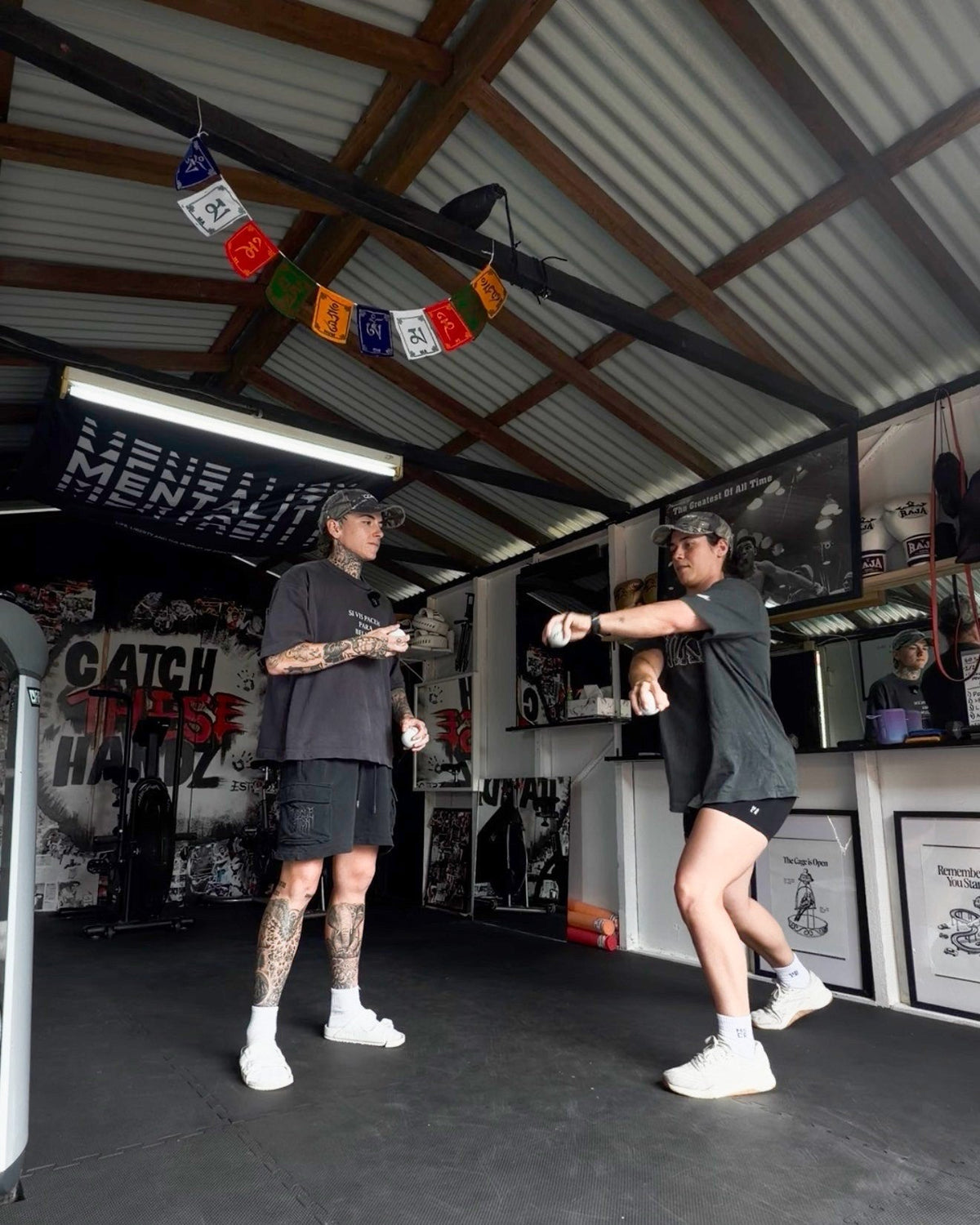
Boxing training doesn't always have to follow the same routine. While technical drills, pad work, bag work and conditioning are important parts of a boxing program, introducing games and movement c...
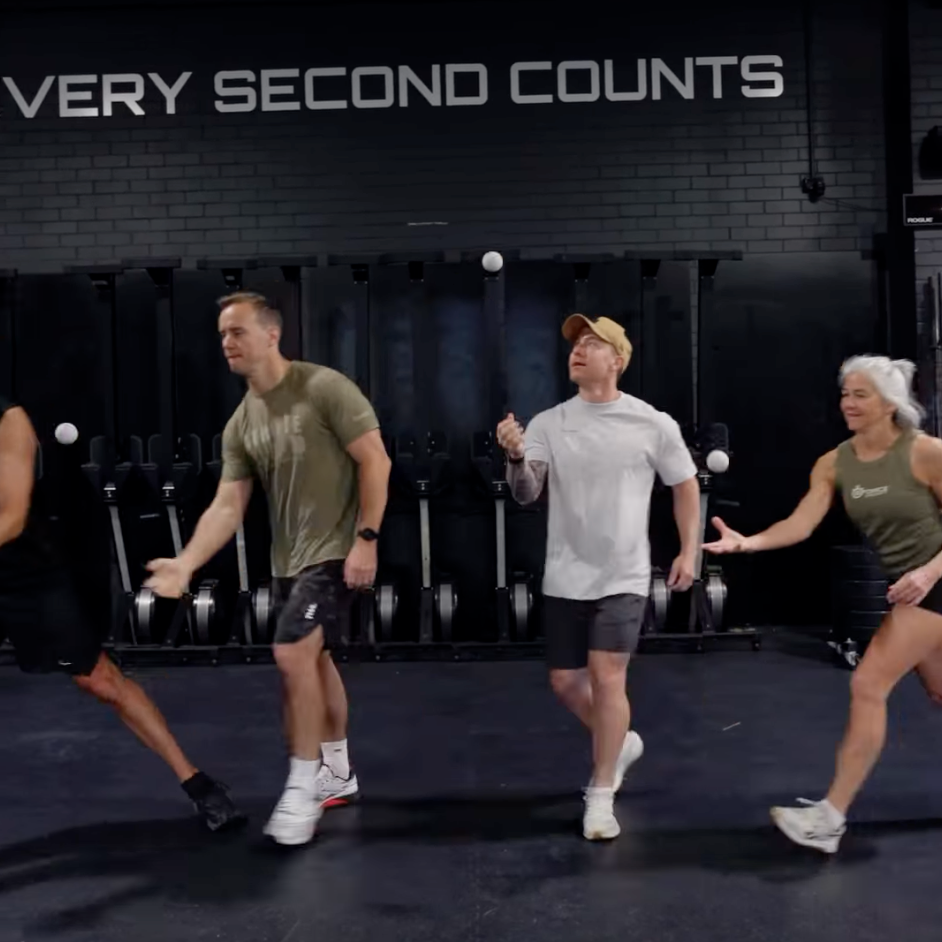
Training by yourself gives you control. Training with another person takes some of that control away, and that's exactly what can make it fun. A partner can change the timing, direction and speed ...