
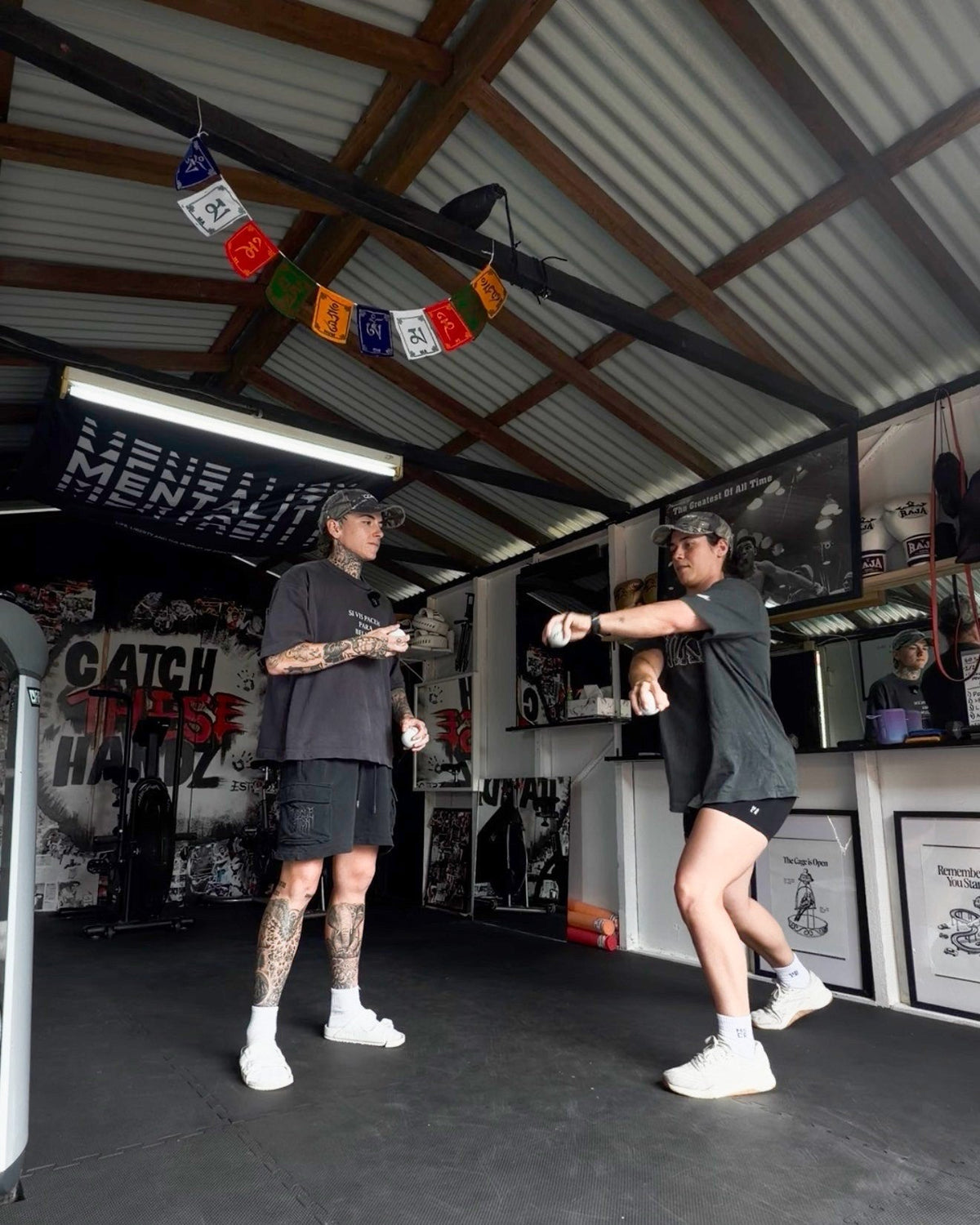
Boxing Training Games and Challenges: Fun Ways to Build Co-ordination
Boxing training doesn't always have to follow the same routine. While technical drills, pad work, bag work and conditioning are important parts of a boxing program, introducing games and movement challenges can bring a different energy to the session.
Boxing training games can encourage athletes to think, react and move while creating opportunities to practise important movement foundations.
From partner challenges and catching activities to footwork games and reaction drills, there are plenty of ways to make training more engaging without losing the connection to the skills used in boxing.
Whether you're a boxing coach working with a group, a parent introducing younger athletes to the sport or an individual looking for something different, these activities can be adapted to suit different ages and abilities.

Why Include Games in Boxing Training?
Games can create a different environment from traditional repetitive drills. They introduce an element of challenge, encourage participation and give athletes a reason to stay focused on the task.
Many boxing games also involve co-ordination, reaction, balance, timing and body control.
For example, a simple catching activity might require a boxer to track a moving ball, adjust their positioning and respond at the right moment. A marker-based challenge might involve listening to instructions and changing direction quickly.
These activities can complement traditional boxing training by providing different ways to practise movement.
Some potential benefits of including games in boxing sessions include:
-
Adding variety to warm-ups and group training.
-
Encouraging participation and engagement.
-
Practising hand-eye co-ordination.
-
Introducing reaction and decision-making challenges.
-
Developing movement awareness and body control.
-
Creating opportunities for partner interaction.
Games should be selected to suit the athletes and the purpose of the session. They are a supplement to technical boxing instruction, not a replacement for it.
7 Boxing Training Games to Try
Here are seven activities to introduce into your next boxing session.
1. The Drop Catch Challenge
Pair athletes up and give one person a ball. They hold the ball out in front of their partner before releasing it without warning.
The other boxer must catch it before it hits the ground.
Keep score by counting successful catches over a set period. Swap roles and see who can complete the most catches.
Make it harder: Use different release heights or introduce two balls.
Skills challenged: Reaction, hand-eye co-ordination and focus.
2. Colour Call Competition
Set up four coloured markers around the training area. Each colour represents a different movement.
The coach calls a colour and athletes must move towards the correct marker before returning to the centre.
You can run this as an individual challenge or have two athletes compete to reach the correct marker first.
Make it harder: Call out sequences of colours or introduce a defensive movement.
Skills challenged: Reaction, footwork, listening and decision-making.
3. Partner Passing Challenge
Athletes stand opposite each other and pass a ball back and forth.
Start with two-handed passes before introducing one-handed passes, alternating hands or different throwing heights.
The objective is to complete as many accurate passes as possible without dropping the ball.
Make it harder: Ask partners to take a small step backwards after every five successful passes.
Skills challenged: Hand-eye co-ordination, timing, accuracy and partner awareness.
4. Target Throwing Competition
Set up several markers or targets at different distances. Athletes take turns throwing a ball towards the targets.
Assign different points to each target and see who can achieve the highest score.
You can make this a team activity by combining everyone's points.
Make it harder: Introduce a colour call so athletes only score points when they hit the nominated target.
Skills challenged: Accuracy, visual awareness, focus and control.

5. Two-Ball Juggling Challenge
Give athletes two balls and ask them to practise alternating tosses between their hands.
Start with a simple pattern before introducing more challenging combinations.
For athletes who are comfortable, introduce a three-ball juggling progression.
Make it harder: Set a challenge to see who can complete the most consecutive catches without dropping a ball.
Skills challenged: Timing, concentration, hand-eye co-ordination and rhythm.
6. Fast Feet and Catch
Arrange several markers in a straight line. Athletes complete a quick movement pattern between the markers before receiving a ball from a partner.
The athlete must catch the ball, reset and return it before repeating the activity.
Make it harder: Change the throwing direction or introduce a verbal cue before the catch.
Skills challenged: Footwork, reaction, balance and hand-eye co-ordination.
7. The Boxing Co-ordination Relay
Divide athletes into small teams. Set up a simple relay that includes a marker movement challenge, a ball toss and catch, and a target throw.
Each athlete completes the sequence before tagging the next team member.
The first team to complete the activity accurately wins.
Make it harder: Add extra movement patterns or introduce a memory-based sequence.
Skills challenged: Co-ordination, teamwork, reaction, accuracy and focus.
How to Use Boxing Games in Group Training
One of the easiest ways to introduce games is to organise a short circuit.
Choose three or four activities and set up a station for each. Divide athletes into small groups and allow them to rotate through the stations.
For example:
Station 1: Reaction
Partner drop catch.
Station 2: Footwork
Colour call competition.
Station 3: Hand-eye co-ordination
Partner passing challenge.
Station 4: Accuracy
Target throwing competition.
You can run each station for a set period or give athletes a specific number of attempts to complete.
For larger groups, team challenges and relay activities can help keep everyone involved. For smaller sessions, partner drills provide an easy way to keep athletes moving.

Adapting Activities for Different Ages and Skill Levels
The same activity can be adjusted to suit beginners, junior athletes and experienced boxers.
For younger participants, focus on simple instructions, shorter activities and achievable challenges. Use colourful markers and easy catching patterns to make the activities accessible.
For beginners, start with predictable movements and allow athletes to become comfortable with each exercise before increasing the difficulty.
More experienced boxers can be challenged with unpredictable cues, more complex movement sequences and combinations of catching, throwing and footwork.
The aim is to create an appropriate challenge without making the activity unnecessarily complicated.
Bring More Variety to Boxing Training With C.CADDY
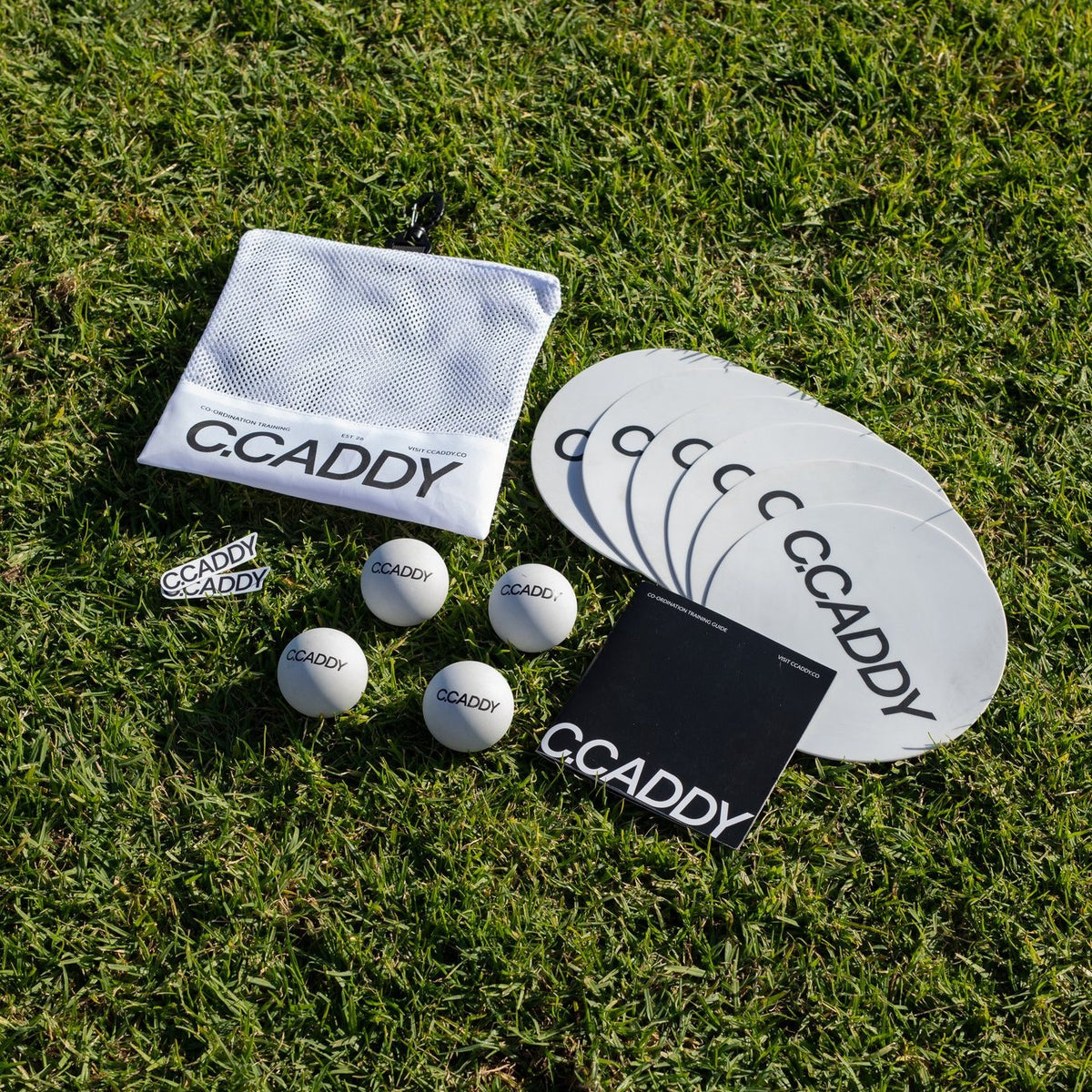
The C.CADDY Co-ordination Kit provides a simple collection of equipment for creating boxing-inspired movement games and co-ordination challenges.
Each kit includes four rubber balls, six flat training markers, a 24-page Training Guide, a carry bag and QR access to the C.CADDY Training Vault.
The balls can be used for partner passing, drop catches, juggling and target activities. The markers can be arranged into footwork patterns, reaction games and movement circuits.
Coaches can use the kit with individuals, small groups or larger teams, while athletes can take it home to practise different challenges.
It's a simple way to introduce something different to training and encourage athletes to keep exploring the foundations of movement.
Frequently Asked Questions
What are some fun boxing warm-up games?
Partner drop catches, colour call movement, target throwing and fast feet challenges are all options for adding variety to a boxing warm-up.
Are boxing training games suitable for kids?
Yes. Many co-ordination and movement games can be adapted for children and beginner athletes. Activities should be supervised and appropriate for their age and ability.

Do boxing games replace traditional training?
No. They are best used alongside technical instruction, boxing-specific drills and a broader training program.
Find a New Way to Move
A good boxing session can include more than punches and combinations. Games and co-ordination challenges offer another way to practise timing, reaction, balance and control while keeping athletes engaged.
Bring a little more play into your next session with C.CADDY. Challenge yourself, challenge your training partners and have some fun along the way.
Read more
You don't need a gym membership, a dedicated training facility or a cupboard full of equipment to start exploring co-ordination training at home. With a ball, a few training markers and enough clea...

Developing hand-eye co-ordination is an important part of learning how to move, play and interact with the world. From catching a ball and throwing to a target to participating in team sports, kid...