
How to Train Co-ordination: Where to Start
If you've searched how to improve coordination, you've probably encountered everything from juggling to agility ladders and highly complicated reaction drills.
The good news is that co-ordination training doesn't need to begin with any of those things. It can start with one ball.
The key is understanding that co-ordination is a broad movement quality. Different activities require different combinations of visual tracking, balance, timing, rhythm, reaction and body control. Rather than searching for one perfect exercise, start by exposing yourself to different movement challenges.

Step 1: Start With Simple Movements
Before combining five different tasks, establish one.
Take a ball and toss it vertically.
Catch it.
Repeat.
Now switch hands.
Then toss from one hand to the other.
These exercises might seem basic, but they establish the movement pattern you can later build upon.
Step 2: Use Both Sides
Your dominant side will often feel more natural.
Instead of avoiding your non-dominant side, give it some attention.
If you complete a drill with your right hand, repeat it with your left.
You can also create alternating patterns that require both sides to participate.
This is one of the easiest ways to change the co-ordination demand without adding extra equipment.
Step 3: Introduce Movement
Once you can complete the hand task, introduce your feet.
Walk while tossing.
Move laterally while catching.
Step between markers while transferring a ball.
March while passing a ball underneath your raised leg.
Your upper and lower body now need to manage different tasks simultaneously.
Step 4: Change Direction
Real-world movement isn't always straight ahead.
Place several markers around your training area.
Move forward, backwards and laterally where safe and appropriate.
Create squares, diamonds or random layouts.
You can then combine these patterns with throwing and catching tasks.
Step 5: Add Reaction
Predictable drills allow you to prepare for what happens next.
Reaction drills remove some of that certainty.
Ask a training partner to call "left" or "right".
Assign numbers to markers and respond to whichever number they call.
Have them drop a ball at an unpredictable moment.
Suddenly you need to process information and move in response to it.
Step 6: Change the Environment
The same movement can feel different when you change your position.
Try a ball activity standing, seated or kneeling where appropriate.
Change the distance between yourself and a partner.
Change the marker layout.
Use a wall rebound.
Small environmental changes can create new movement problems.
Step 7: Introduce Multiple Objects
Once a single ball feels manageable, add another.
Two-ball activities can require each hand to perform a different task or maintain an alternating rhythm.
Don't rush.
If the pattern disappears completely, return to one ball or simplify your body movement.

How Often Should You Train Co-ordination?
There isn't one universal schedule that suits everyone. Co-ordination training can be incorporated in small amounts depending on your broader activities, ability and goals. You might spend a few minutes exploring co-ordination exercises before another training session. You could create a dedicated co-ordination workout. Or you could simply grab a ball and practise a new pattern whenever you have a spare ten minutes. Consistency gives you more opportunities to become familiar with different movements.
Don't Chase Complexity
Social media can make co-ordination training look like a competition to create the most complicated drill possible. It doesn't need to be. A drill should be challenging enough to require concentration while still allowing you to explore the movement.
If you're constantly losing the pattern immediately, reduce the difficulty. The goal isn't to make training look difficult. It's to give yourself a movement challenge you can engage with.
Use Progressions
A simple progression might look like:
Stationary catch → alternating catch → walking catch → marker movement catch → reaction-based marker catch.
Notice how each stage keeps elements of the previous exercise while introducing one new demand. This makes it easier to understand what is changing.
Create Variety
If you want to explore how to improve co-ordination, variety matters because co-ordination itself takes many forms.
Try hand-eye activities.
Try foot-eye activities.
Try cross-body movements.
Try reaction exercises.
Try rhythm.
Try movements where both hands perform different tasks.
Try combining upper- and lower-body movements.
Instead of becoming incredibly good at one trick, explore a range of movement patterns.

Train With Someone Else
Partner training opens up an entirely new range of options. A partner can throw, call directions, change timing and introduce unpredictability. It also makes training social.
Turn a drill into a challenge or see how long you can maintain a sequence together. Training doesn't always have to feel like work.
Start Exploring
Learning how to improve coordination doesn't require expensive technology or a complicated program.
Start with basic equipment and build gradually.
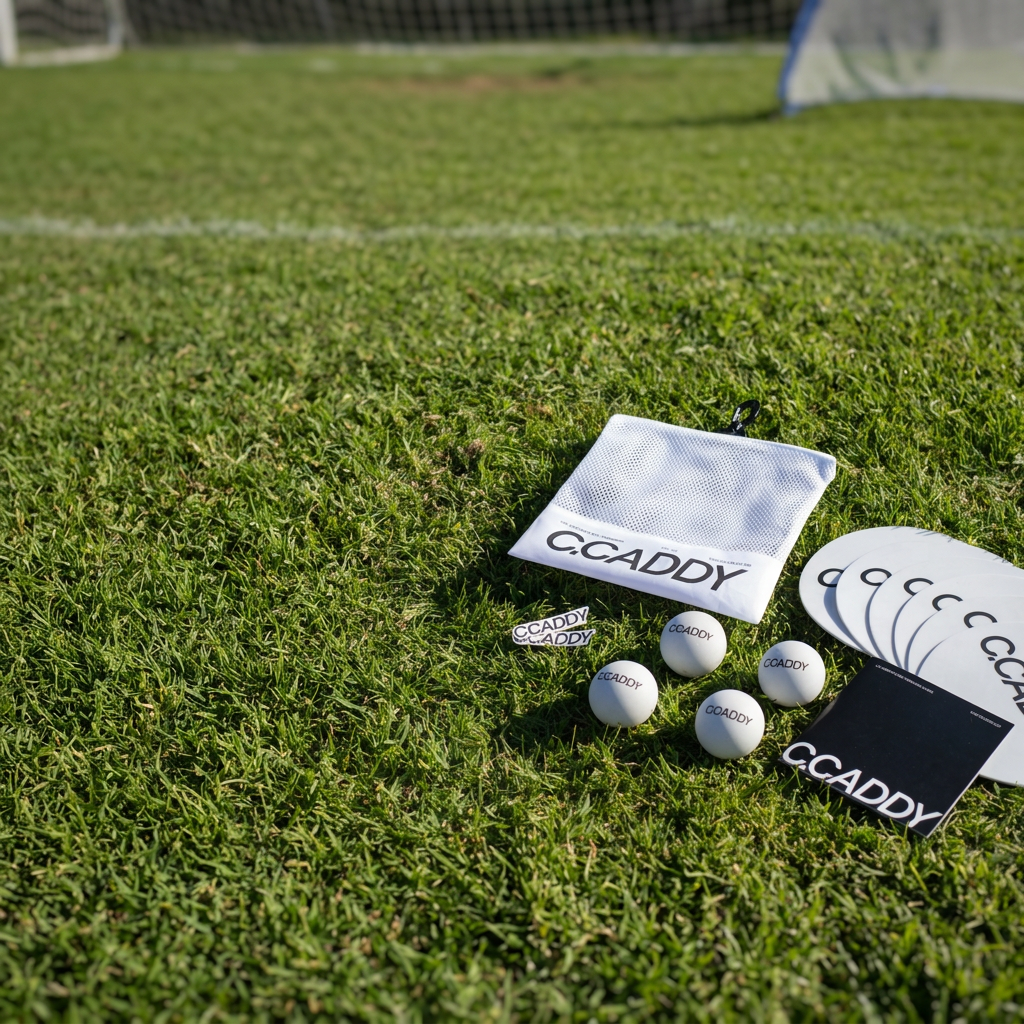
At C.CADDY, that's exactly what we're about: creating a place to train the often-overlooked foundations of movement while bringing some play back into training.
Start with one ball.
Add a marker.
Change a direction.
Add a partner.
React.
Move.
Then see where you can take it.
Read more
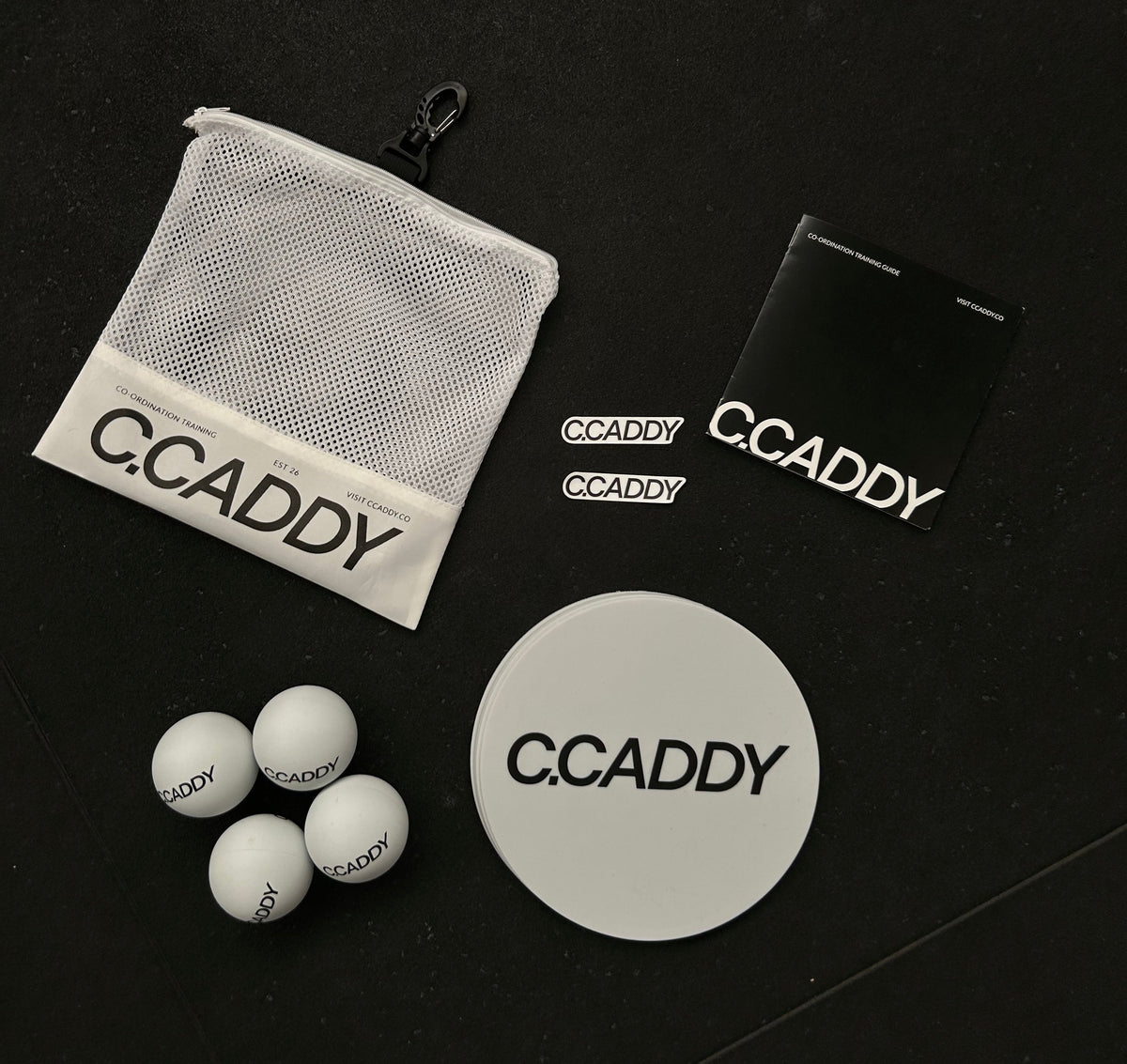
Co-ordination training doesn't require complicated equipment or an enormous training space. With a few balls, some markers and a little creativity, you can build co-ordination exercises into almost...
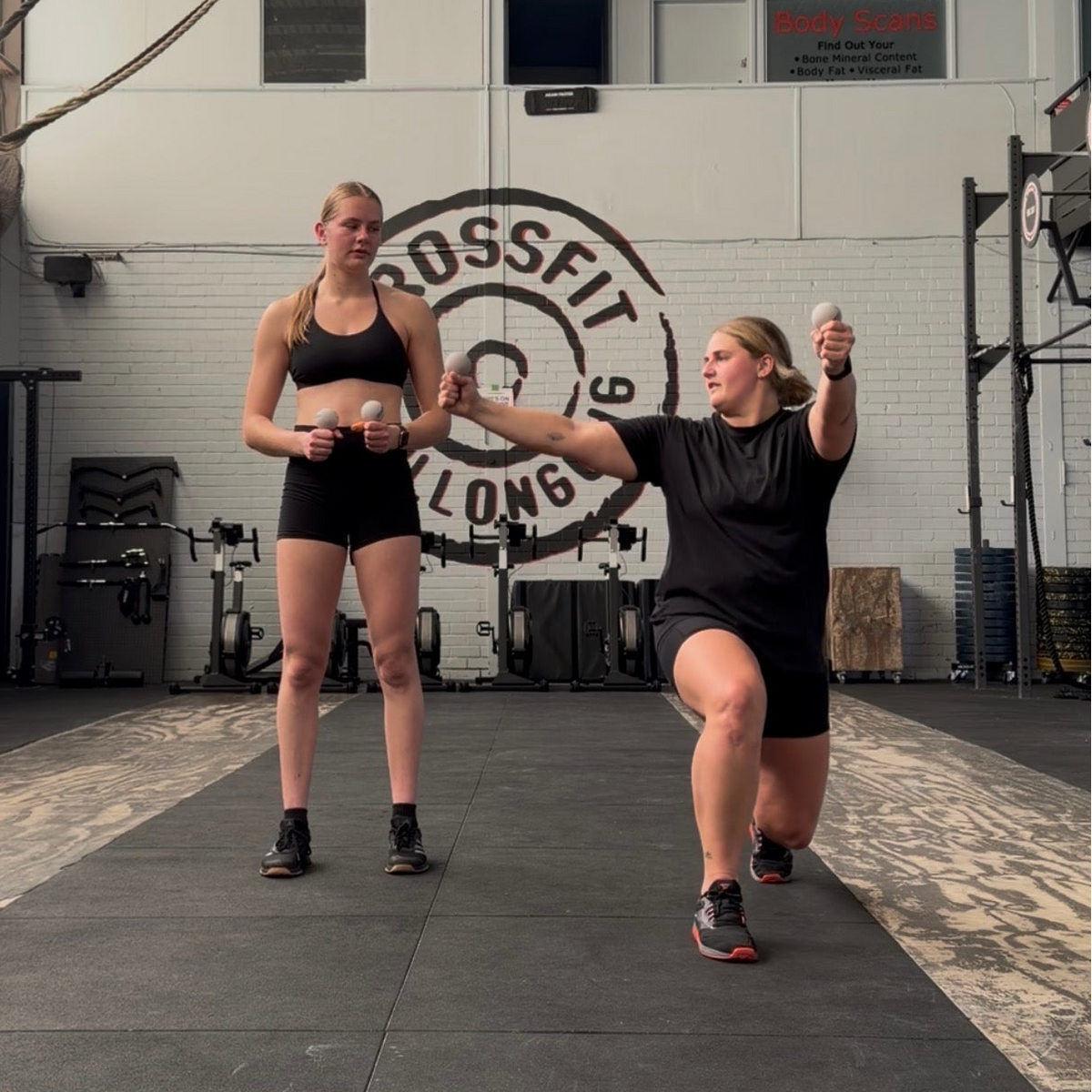
Co-ordination. Agility. Balance. The terms are often used together in training conversations, and there can certainly be overlap between them. But they don't mean exactly the same thing. Understand...