
10 Full-Body Co-ordination Exercises to Build Movement, Balance and Reaction
Some co-ordination exercises focus heavily on the hands. Others challenge your footwork, balance or reaction time. Full-body co-ordination exercises bring these elements together, challenging you to control different movements at the same time.
You might throw and catch a ball while moving through markers, maintain your balance while completing a hand task, or react to a partner's cue before changing direction.
These movement challenges are a practical way to explore how to improve coordination, develop hand-eye coordination and build greater body awareness through movement.

Whether you're an athlete, coach, gym enthusiast or simply looking for new ways to stay active, coordination training can be adapted to suit different ages, abilities and experience levels.
Here are 10 full-body co-ordination exercises to try using a few balls, training markers and a little space.
1. Marching Under-the-Leg Toss
Start by marching on the spot. As your right knee lifts, gently transfer or toss a ball underneath your leg and catch it with your opposite hand.
Repeat on the other side, maintaining a steady marching rhythm as you alternate legs.
This exercise combines footwork, timing and hand-eye coordination, requiring your upper and lower body to work together.
Make it harder: Increase your marching pace or use your non-dominant hand.
2. Walking Alternating Toss
Walk forward while tossing a ball between your hands. Begin with a comfortable walking pace and a consistent throwing height.
Once you establish a rhythm, experiment with changing your pace, adjusting the height of the toss or alternating the hand that initiates the movement.
This is a simple way to introduce movement into hand-eye coordination exercises while challenging your ability to maintain control as your body moves through space.
Make it harder: Change your walking pace in response to a partner's cue.
3. Lateral Marker Catch
Place two training markers several steps apart. Move laterally between them while tossing a ball between your hands or catching a pass from a partner.
Focus on controlling your footwork while keeping your eyes on the ball.
This drill combines lateral movement, balance and upper-body coordination, making it useful for athletes who need to move and handle an object simultaneously.
Make it harder: Increase the distance between markers or have your partner vary the timing of each pass.
4. Diamond Reaction Catch
Arrange four markers in a diamond around a central starting position.
Ask a partner to call out a marker. Move towards the corresponding direction, return to the centre and receive a pass.
Start with a predictable sequence so you can learn the movement pattern. As you become comfortable, have your partner change the order and timing of their calls.
This is an engaging reaction time and co-ordination exercise that challenges you to process a cue, change direction and prepare for a catch.
Make it harder: Introduce quicker calls or pass the ball at different points in the movement.
5. Walking Under-the-Leg Transfer
Walk slowly forward, transferring a ball underneath your raised leg with each step.
Begin with a controlled walking rhythm and focus on completing the ball transfer without losing your balance or interrupting your movement.
Unlike a stationary under-the-leg drill, this variation requires you to coordinate the ball movement while progressing forward.
It can be a useful addition to full-body co-ordination workouts because it combines timing, body control and movement awareness.
Make it harder: Alternate hands or gradually increase your walking pace while maintaining control.
6. Marker Weave With Alternating Catch
Arrange four to six training markers in a straight line, leaving enough room to move comfortably between them.
Weave between the markers while tossing a ball from one hand to the other.
Keep your movements controlled rather than rushing through the course. Your focus should be on navigating the marker pattern while maintaining a consistent catching rhythm.
This drill combines footwork and hand-eye coordination, making it a versatile option for general movement practice and sport coordination training.
Make it harder: Change the marker layout, reverse your direction or introduce a second ball once you can manage the basic pattern.

7. Squat and Ball Toss
Stand with a ball and perform a comfortable bodyweight squat. At a chosen point in the movement, complete a controlled ball toss or transfer between your hands.
Start by practising the squat and ball movement separately. Once each feels comfortable, combine them into one smooth sequence.
While this exercise can incorporate strength and balance exercises into your training, the primary focus is coordinating the ball movement with your body position.
You don't need to squat quickly or throw the ball high. Focus on control, timing and maintaining a stable position.
Make it harder: Change the timing of the toss or alternate the hand that initiates the movement.
8. Cross-Body Step and Catch
Begin standing with your feet comfortably apart. Step your right foot across or towards your left side while moving the ball across your body.
Return to the starting position and repeat on the opposite side.
The aim is to create a smooth, controlled pattern that connects your footwork with the movement of your hands.
Cross-body movements can be useful for exploring body awareness, rhythm and coordination between both sides of the body.
Make it harder: Introduce a small bounce, alternate the direction of your steps or have a partner call which side to move towards.
9. Multi-Directional Partner Catch
Set up several training markers around a clear space. Stand in the middle while your partner calls a direction.
Move towards the corresponding marker while remaining ready to receive a pass. Your partner can vary when the ball is thrown, meaning you need to respond to the movement rather than simply follow a memorised pattern.
This exercise combines reaction time, balance, direction changes and hand-eye coordination in one activity.
It can be adapted for individual practice, partner sessions, team warm-ups and sport-specific coordination training.
Make it harder: Add more markers, change directions more frequently or introduce different types of passes.

10. Four-Ball Partner Passing
Once you're comfortable with basic partner passing patterns, experiment with introducing multiple balls.
Begin by establishing a predictable sequence between you and your partner. Keep the distance manageable and the throws controlled, focusing on maintaining the pattern rather than increasing speed.
As you become more familiar with the sequence, introduce additional movements or change the order of the passes.
Multi-ball drills challenge timing, visual tracking and the ability to manage several movement demands at once.
Make it harder: Add footwork, change the passing sequence or introduce a reaction cue from a third person.
What Makes an Exercise a Full-Body Co-ordination Exercise?
A full-body co-ordination exercise doesn't necessarily need to leave you exhausted or out of breath. Instead, it involves combining multiple movement tasks that require different parts of your body to work together.
For example, your hands might be catching a ball while your feet navigate a marker pattern. Your eyes might be tracking an object while your body changes direction. You might need to maintain balance while responding to an unexpected cue.
These combinations make coordination training different from simply repeating one movement. They also show why co-ordination exercises can be adapted for so many activities, from backyard games and general fitness to structured athletic training. You can slow a drill down and still create a meaningful movement challenge. The goal is to develop control and consistency before adding speed or complexity.
How to Improve Coordination Through Training
If you're wondering how to improve coordination, start with simple movements and build from there. You don't need complicated equipment or an elaborate training program. A ball, a few markers and enough space to move can provide plenty of opportunities to experiment with different patterns.
Try progressing your co-ordination exercises by changing one variable at a time:
-
Change hands: Practise using your non-dominant hand to develop familiarity with different movement patterns.
-
Change direction: Reverse your footwork or move through markers in a different order.
-
Add a reaction cue: Respond to a partner's call instead of following a predetermined sequence.
-
Introduce another ball: Increase the complexity once the basic movement feels comfortable.
-
Change your rhythm: Alternate between slower and faster movements while maintaining control.
-
Add a partner: Introduce passing, mirroring or challenges that require you to respond to someone else.

Making one adjustment at a time helps you understand which movements you can manage comfortably and where you need more practice. Over time, the same foundational exercise can become a completely different challenge with just one small change.
Can Co-ordination Exercises Help With Balance and Reaction Time?
Co-ordination, balance and reaction time are closely connected during many everyday movements and sporting activities. When you move through a marker pattern while catching a ball, for example, you're managing your body position, tracking the ball and adjusting your movements to complete the task. Adding a partner's unpredictable cues introduces another layer because you need to respond to information as it changes.
This is one reason balance exercises, hand-eye coordination drills and reaction training can work well together within a broader movement session.
For athletes, these activities can be adapted to reflect the demands of their sport. For kids, they can become playful movement challenges. For adults, they offer a different way to practise body control and keep movement engaging. The key is to select exercises that suit your current ability and progress at a manageable pace.
What If You Keep Dropping the Ball?
Pick it up and try again. Dropping the ball is part of practising challenging co-ordination patterns. It can be a sign that the movement is unfamiliar or that you're trying to combine too many tasks at once. If you're struggling to complete an exercise, simplify it.
Practise the ball movement without moving your feet. Then practise the footwork without the ball. Once each component feels more familiar, combine them again. You can also reduce the number of markers, slow down the movement or return to a simpler passing pattern. The aim isn't to perform every drill perfectly on your first attempt. It's to explore different movements, learn the pattern and gradually introduce more complexity.
Turn Full-Body Co-ordination Training Into a Game
Training with a friend, teammate or family member? Turn your exercises into a challenge. See how many consecutive catches you can complete while moving between markers. Create a movement sequence and ask your partner to copy it. Take turns choosing directions, introducing new patterns or adding a reaction cue. You could even set a challenge where each person adds one movement to a sequence, building a longer pattern as you go. This playful approach makes co-ordination training more engaging and creates opportunities to practise communication, timing and reaction.
You don't always need to count repetitions or race against the clock. Sometimes, the most useful part of a session is experimenting with a movement and finding a new way to complete it.
Build Your Own Full-Body Co-ordination Workout
Choose three to five exercises from this list and spend a short period exploring each one. Allow yourself time to understand the movement before increasing the difficulty. You might practise a ball toss, move into a marker weave and finish with a partner reaction drill.
Keep the session flexible. Adjust the movements to suit your ability, take breaks when needed and focus on control rather than rushing through repetitions. Four balls and six markers might look simple, but combine throws, catches, bounces, footwork, direction changes, partner passing and reaction cues, and the possibilities quickly expand.
That's the idea behind C.CADDY.
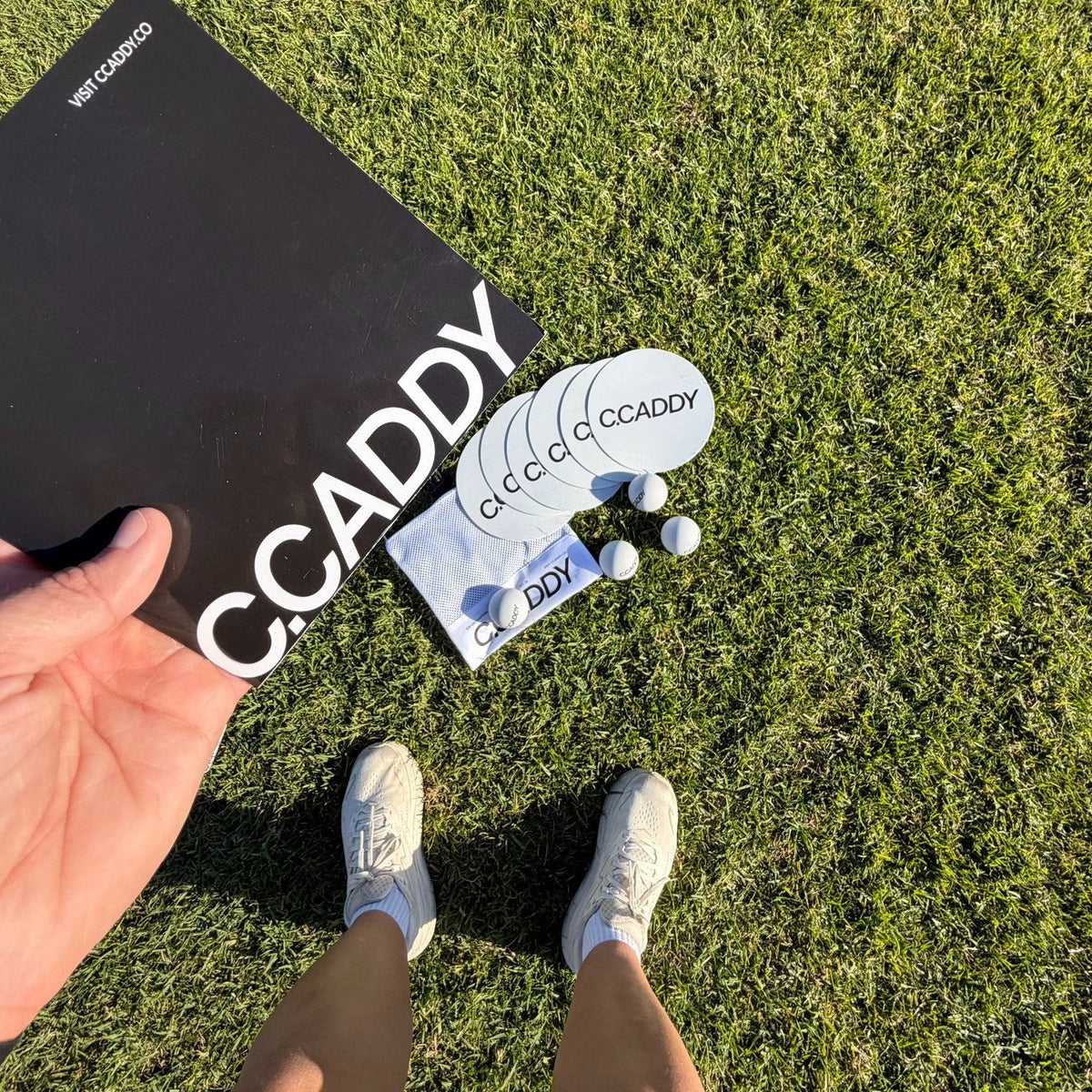
Our Co-ordination Kit brings together four rubber balls, six flat training markers and a 24-page Training Guide, with QR access to video tutorials in the Training Vault.
It's designed to help athletes, coaches, families and everyday movers explore different movement challenges at home, in the backyard, at the park or during structured training sessions.
Simple tools. Different movement challenges. More ways to play.
Explore the C.CADDY Co-ordination Kit and discover new ways to bring co-ordination, balance, reaction and movement into your training.
Read more
Tennis is a sport of movement, timing and reaction. Every shot requires the player to track the ball, move into position and coordinate the body to make contact at the right moment. That makes coor...
Whether you're an athlete looking to sharpen your movement skills, a coach planning engaging training sessions or someone wanting to move more at home, choosing the right co-ordination training equ...