Co-ordination Training for Athletes: Where Does It Fit?
Athletic training can involve strength, conditioning, speed, technical practice and sport-specific skills. With so many areas competing for training time, where does co-ordination training for athletes fit?
Co-ordination training doesn't necessarily need to replace another part of your program or become an entirely separate training discipline. Instead, it can be another way to expose yourself to different movement challenges.

Sport Is Full of Co-ordination
Think about almost any sport.
A footballer tracks the ball while positioning their body.
A tennis player reacts to an opponent while moving toward the ball and preparing a stroke.
A basketball player moves around defenders while controlling the ball and scanning the court.
A cricket fielder tracks a moving ball while adjusting their position before attempting a catch.
Different sports demand different skills, but they commonly involve the ability to organise movement while responding to information. This is why co-ordination can be an interesting component of broader athletic training.
General vs Sport-Specific Training
Not every exercise needs to perfectly replicate your sport. Sport-specific practice is where athletes develop the actual skills, techniques and decision-making required for competition. General co-ordination training can serve a different purpose. It gives you opportunities to explore movement patterns outside your normal sporting environment.
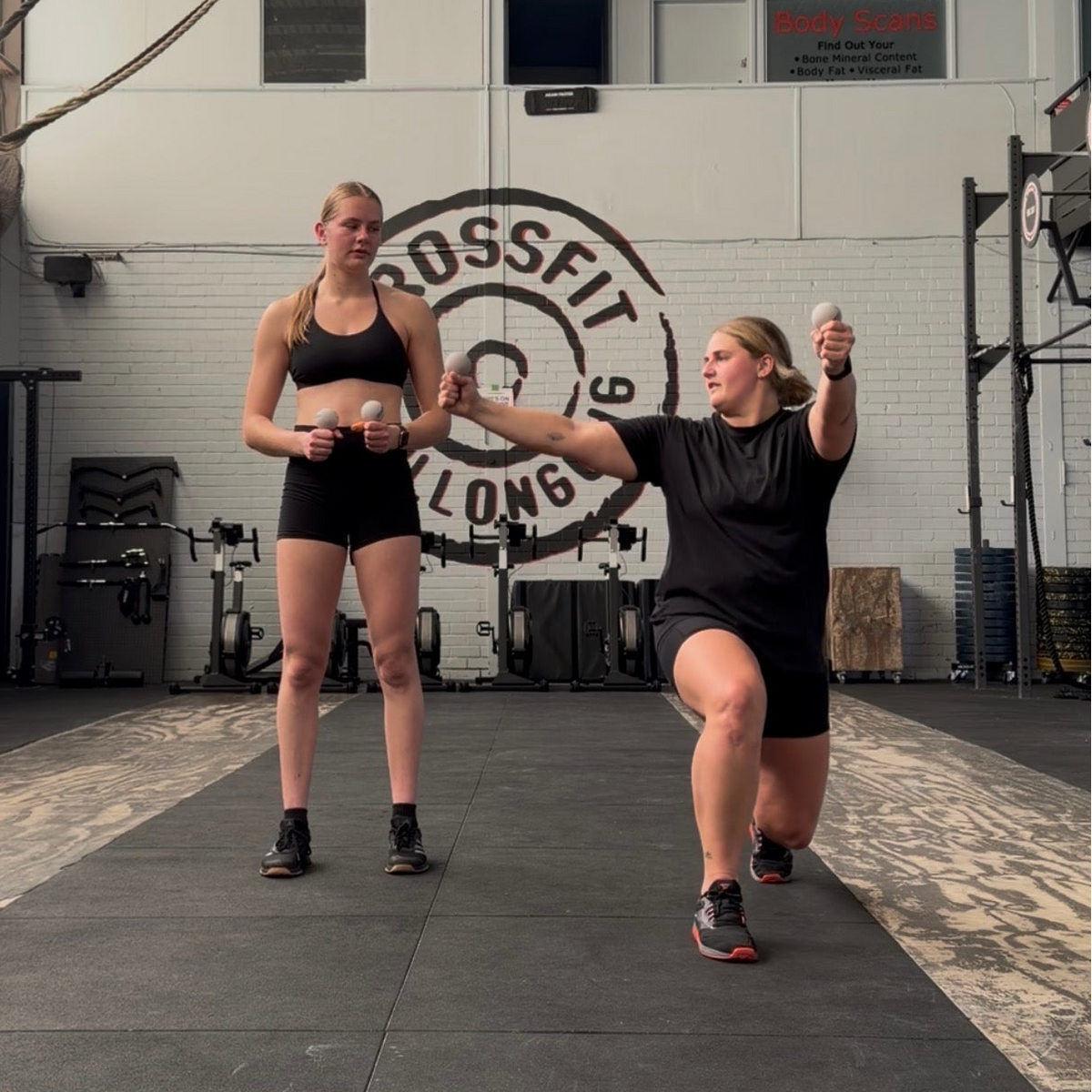
You might use balls, markers, reaction cues or partner drills to create challenges involving hand-eye co-ordination, footwork, rhythm or full-body movement.
Hand-Eye Co-ordination
Sports involving catching, striking or controlling an object frequently place demands on hand-eye co-ordination. Simple throwing and catching drills can introduce different visual and movement challenges.
You can change:
- Throw height
- Throw direction
- Catching hand
- Number of balls
- Body position
- Movement direction
- Partner distance
One basic drill can therefore produce numerous variations.

Foot-Eye Co-ordination
Foot-eye activities can be introduced through rolling, controlling or redirecting a ball using the feet. You can combine these tasks with marker patterns or partner cues. The aim doesn't need to be performing a specific sporting technique. It can simply be exploring another movement problem.
Reaction Training
Sport rarely happens according to a perfectly predictable sequence. Reaction-based drills introduce uncertainty.
A partner might call a direction.
A ball might be released unexpectedly.
A marker might determine where you move.
Instead of memorising the entire sequence beforehand, you need to receive information before selecting the appropriate movement.
Bilateral Movement
Many sporting actions involve both sides of the body, sometimes performing different tasks. Alternating ball drills and cross-body movements can create simple bilateral co-ordination challenges. Try completing the same activity on your dominant and non-dominant sides. You may quickly discover how different the experience feels.
Where Can Co-ordination Training Fit?
There are several ways athletes can explore co-ordination exercises. One option is incorporating a small number of activities into the beginning of a general training session after an appropriate warm-up. Another is using co-ordination drills as part of a skills or movement session. They can also be completed as a short standalone session when appropriate within the athlete's broader training plan. The right approach will depend on the athlete, sport, training schedule and guidance of their coaches or relevant professionals.
Keep the Drill Appropriate
A complicated drill isn't automatically a useful drill. If an athlete is spending the entire exercise chasing balls around the room without establishing the intended pattern, simplify it.
Remove one ball.
Slow the movement.
Increase the space.
Remove the reaction cue.
Establish the foundation and then rebuild.

Introduce Competition
Training with teammates creates plenty of opportunities for games and challenges. Who can maintain an alternating catch sequence longest? Who reacts to the correct marker? Can two athletes maintain a four-ball passing pattern?
These activities can create a competitive environment without requiring every drill to look like traditional conditioning.
Use Co-ordination Training as Exploration
Athletes spend significant amounts of time practising the specific patterns required by their sport. General co-ordination exercises can offer an opportunity to move differently.
Throw with the opposite hand.
Move in unfamiliar directions.
Combine movements that aren't normally paired together.
Change rhythm.
Respond to unexpected cues.
The aim is not to replace sport-specific training. It is simply another way to explore movement.
C.CADDY for Athletes
C.CADDY was designed around the often-overlooked foundations of movement: co-ordination, balance, reaction and speed.
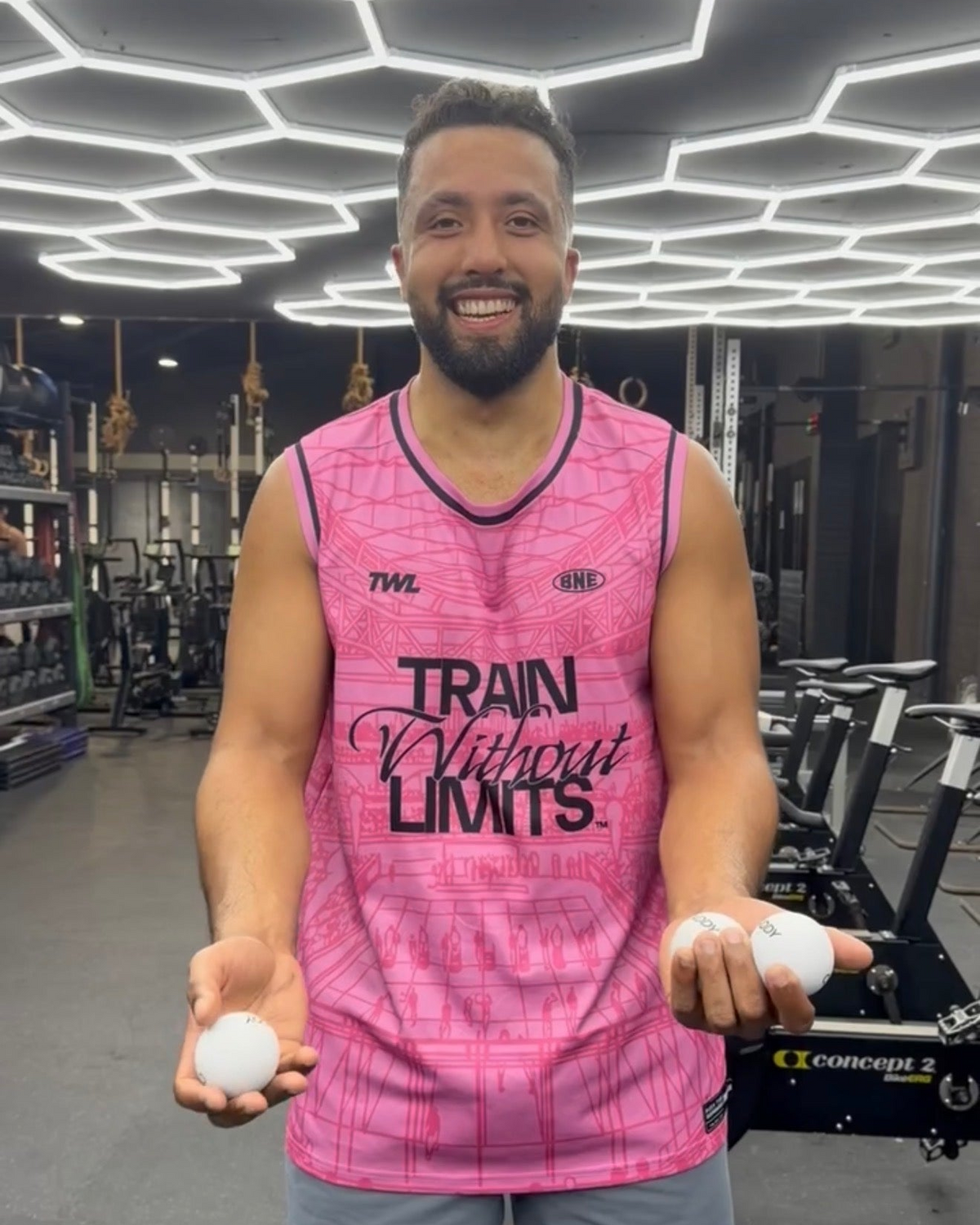
Our Co-ordination Kit includes four rubber balls, six flat markers, a training guide and access to the online Training Vault, giving athletes, coaches and everyday movers a simple foundation for creating a wide variety of drills.
Whether you're training individually, with a teammate or as part of a larger program, co-ordination training can be as simple or challenging as you make it.
Set the markers.
Grab the balls.
Start moving.
Then keep finding new ways to challenge the pattern.